
CAPABILITIES
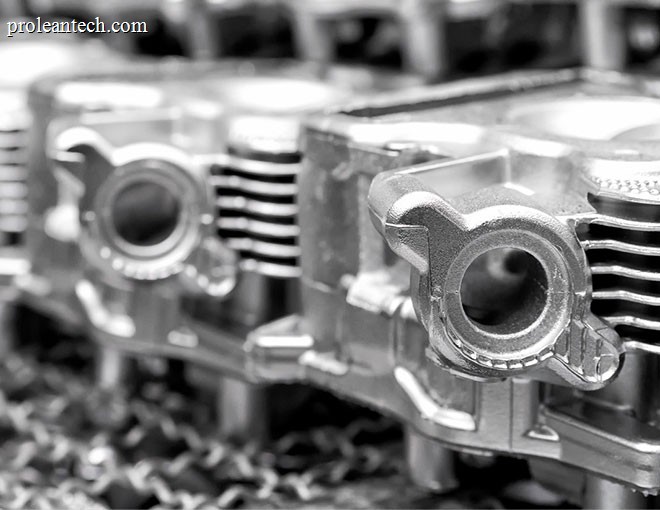
Zinc Die casting Service





All uploads are secure and confidential.
Precision Parts. Endless Possibilities.
Explore our custom manufacturing capabilities through real product examples.
















Properties of Zinc-alloys
The Zamak Series ( Nos. 2,3,5 and a) is the most common zinc alloy for die casting, including copper, Aluminum, and magnesium alloying metals. ZA8 is another standard alloy used in die casting that is not part of the Zamak series.
- High rigidity and strength
- Excellent thermal and good electrical conductivity
- Surface finishing of high quality and corrosion resistance
- With minimal tolerance deflection, high dimensional consistency and stability are achieved.
- Compared to miniature Zinc die casting, die-casting has a lower production cost.
- In comparison to Aluminum alloy, it has an excellent vibration-reducing ability.
- After the product’s life cycle has ended
- It can be recycled completely.
It is possible to make products and parts with skinny walls (lower range 1.5 mm) - The cold formation allows manufacturers to join the parts quickly.
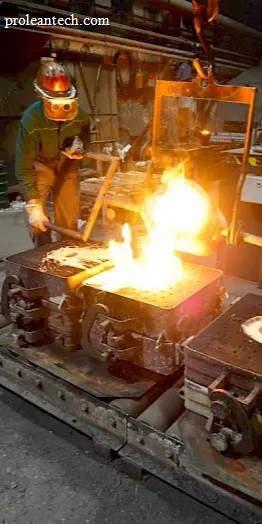
How to Order Parts?
Get a free quote from a real engineer; once we receive your design, our engineer will review it and send you a quote as fast as one hour.

Get an Instant Quote
Upload your design file or email our engineering team directly. You'll get a firm quote in as fast as one hour, no account required.

Start Production
Once you confirm your order, production begins immediately. Track real-time status from cutting through final inspection via your order dashboard.

Receive Your Part
Every part passes quality control before it ships. We pack parts to prevent damage in transit and deliver directly to your address.
We generally evaluate production and provide quotations within one hour. If you need a more urgent quote immediately, please contact us through our official WhatsApp account.
Automotive Industry
The automobile industry played a significant role in developing and advancing Zinc die casting. So the automotive industry is the most widely used Zinc die casting application because of its strength and hardness, including Break parts, housing, interior parts, and components for the steering, fuel, electrical, and air-conditioning systems.
Electronics
Protection of internal electronics components is made with Zinc alloys from die casting. Also, Heat sinks in electronics devices such as computers.
Joining and links
In the manufacturing industry, fastening elements such as bosses and studs are essential. These products can be made from Zinc die casting with a high degree of accuracy and a smooth finish. In addition, quality Holes and threads can be cast both by this approach with thin walls.
Structure and architecture
Structure and architectural implementations, including, Railway components, rainwater systems, metal panels, fittings, and roofing, use Zinc die casting.
Advantages Of Zinc Die Casting
- Zinc die-cast parts and products have a high impact strength and toughness, making them ideal for a wide range of industrial applications.
- Another critical point is that Zinc die casting produces durable parts with strength and durability.
- Zinc alloys protect products such as fuses and pins from electromagnetic fields by making an Electromagnetic shield over them.
- Products from Zinc die-casting require minimal surface finishing.
- Zinc die casting can make a wide range of products, from structure to electronics.
What Materials Are Available For Die Casting?
| Aluminum Alloys | Magnesium Alloys | Zin | Other Die Casting Alloys | Plastics |
| 380 | AZ91D | Zamak 3 | Silicon Tombac | ABS |
| 390 | AM60 | Zamak 2 | Copper | PP |
| 413 | AS41B | Zamak 5 | lead | POM-M, POM-C |
| 443 | AE42 | Tin Alloy | PC | |
| 518 | Zinc-Aluminum alloys | PEEK |
Finishing Options For Die Casting Products
At Prolean, we understand that achieving the perfect finish on a machined part can make all the difference. Every project presents unique demands; perhaps a glossy sheen, a tactile texture, or even a resilient protective layer. With a commitment to craftsmanship, our team ensures that the resulting piece isn’t just functional, but also aesthetically in line with your aspirations. Delve further to discover the array of specialized finishing options we proudly present, curated to elevate the resilience, allure, and performance of each machined component.
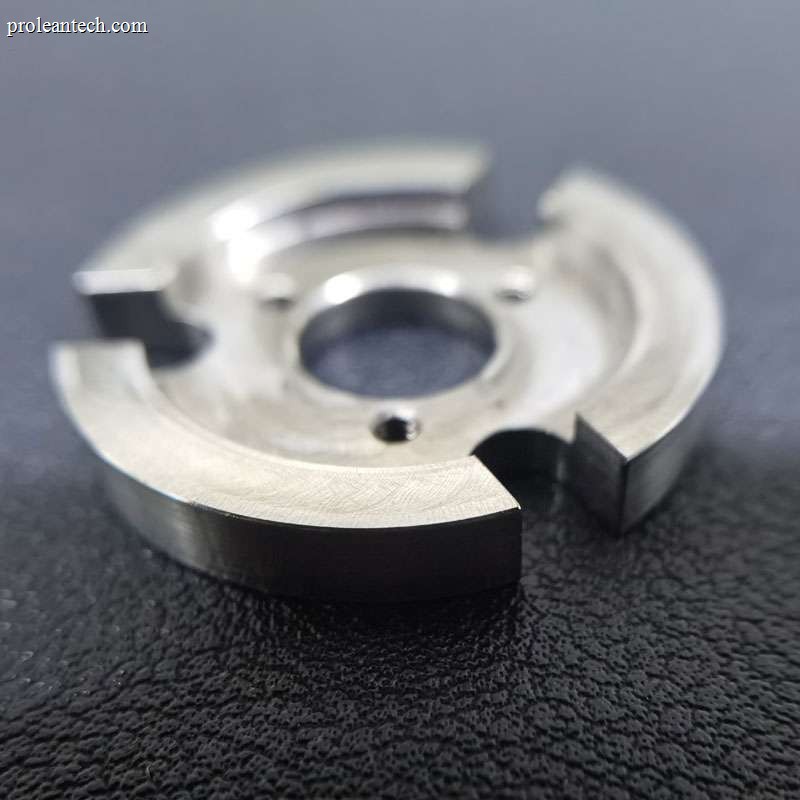
As the machined or deburring
The machined or deburring finish is the standard finish where unwanted attach chips are removed with deburring tools, and sharp edges are chamfered to smooth the surface (3.2 μm).
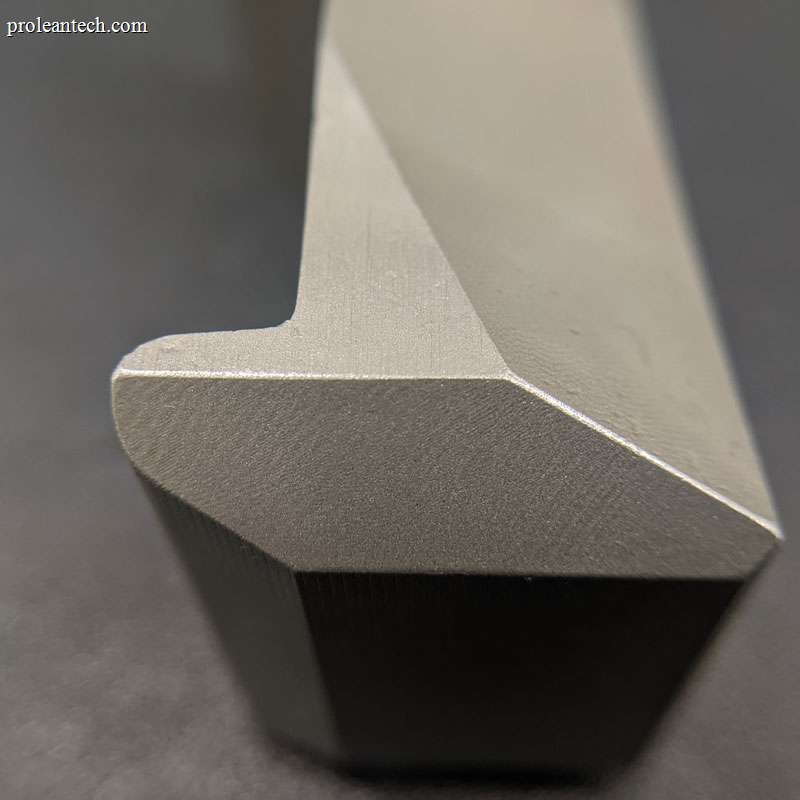
Bead Blasted
Bead blasting produces a matte texture, removing all the marks of machining tools. It applies to ABS, Aluminum, Brass, Stainless Steel, and Steel parts.
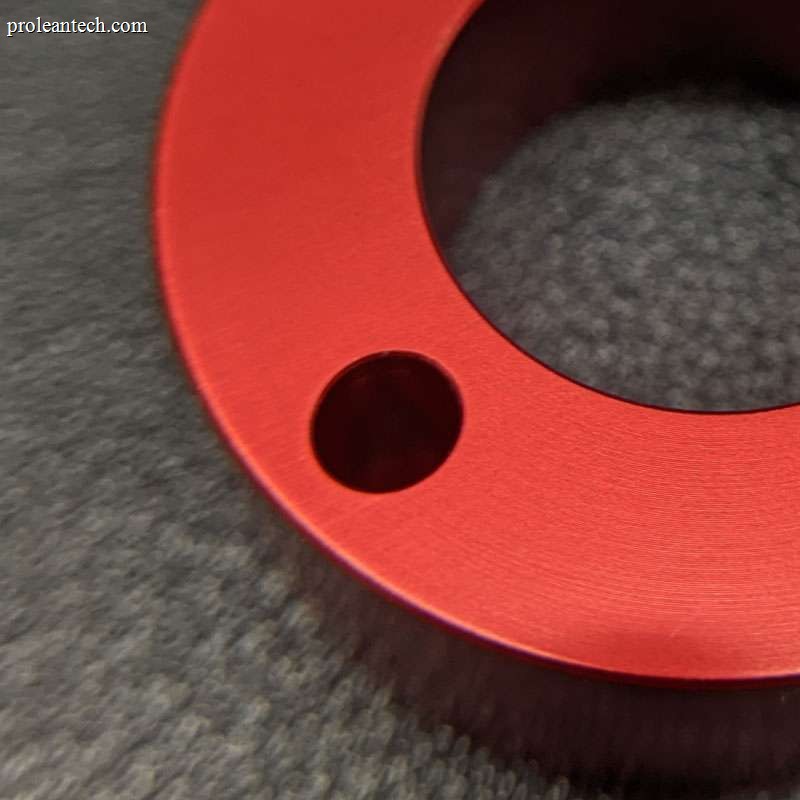
Anodizing
Anodizing involves adding an aluminum oxide coating to aluminum and its alloys. The layers, which come in various colors, increase strength and shield the surface from corrosion.
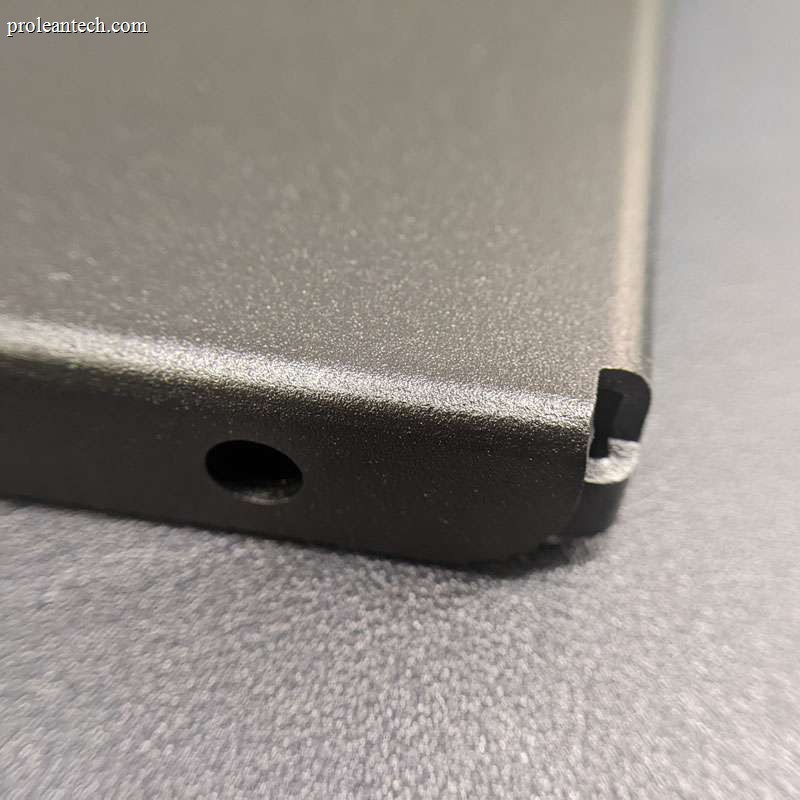
Powder coating
Powder coating is the electrostatically applying of dry powder to the surface. It produces a thin layer providing excellent resistance to wear, corrosion, and abrasion.
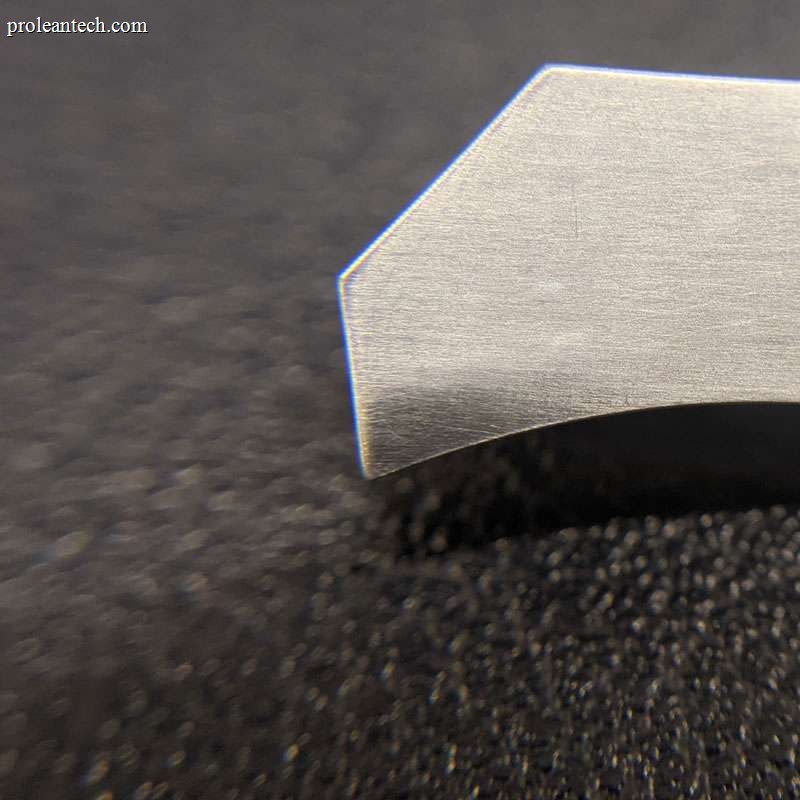
Polishing
Physical rubbing of a metal surface to create a shiny surface is called a polishing surface finish. It increases the reflectivity and does not affect the dimensional stability of parts.
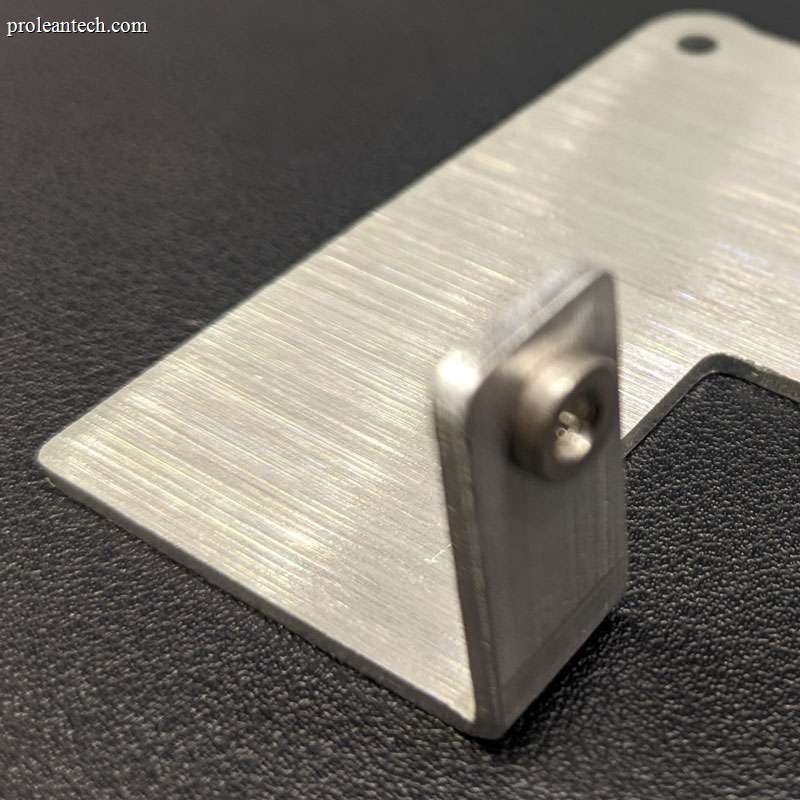
Brushing
Brushing is achieved by applying an abrasive brush to the metal surface, which produces a unidirectional satin finish. And it is not recommended for highly corrosive materials.
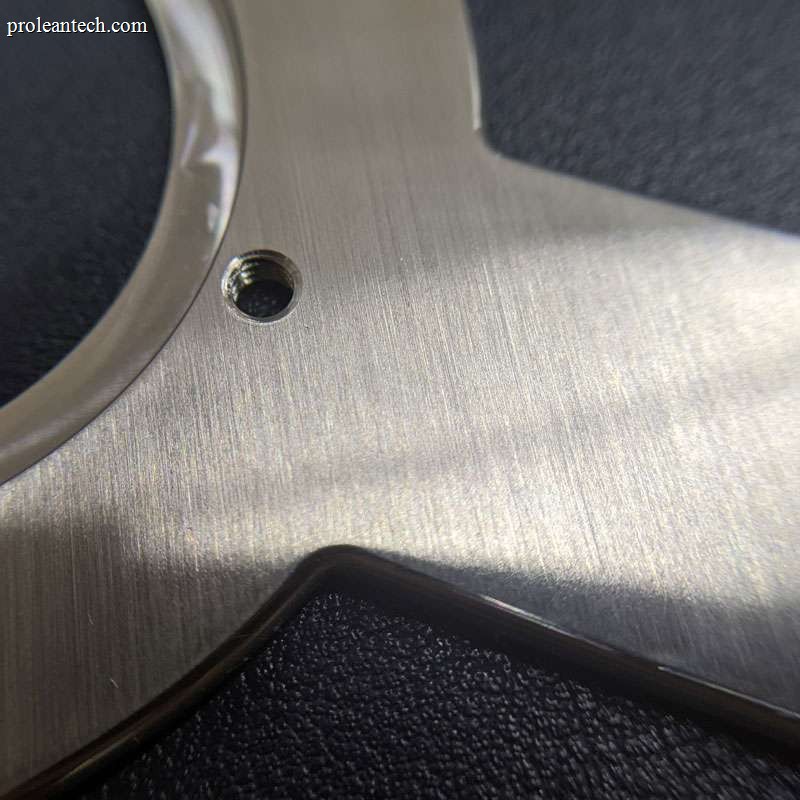
Smooth machining
Smooth machining is done by controlling the machining process, such as feed rate & cutting speed. It minimizes the tool marks and risk of corrosion.
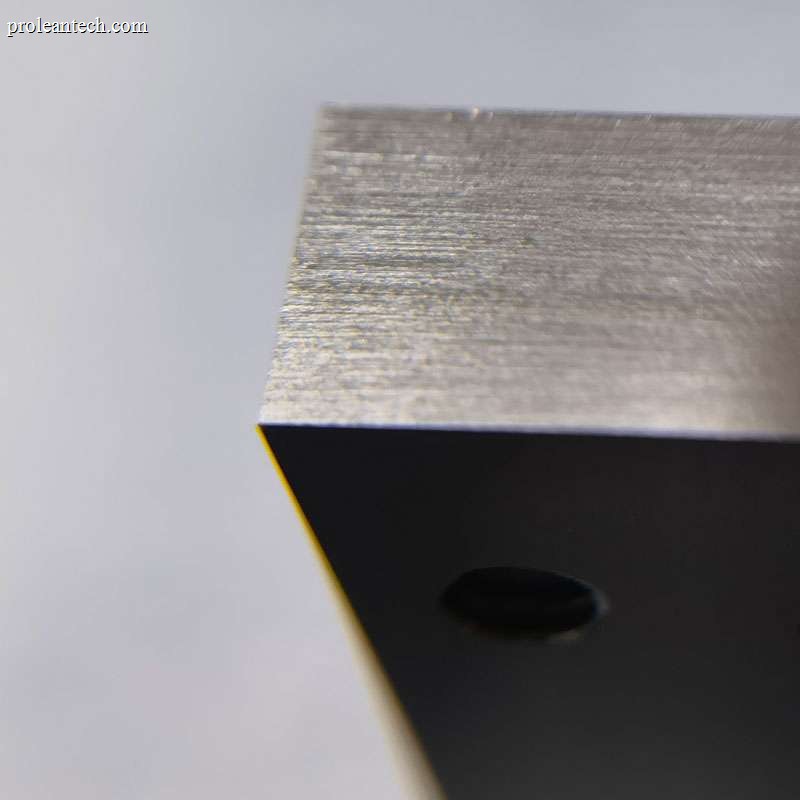
Black-Oxide
Black oxide finish reduces surface reflectivity and offers mild corrosion protection. It involves adding a thin layer of magnetite to the surface.
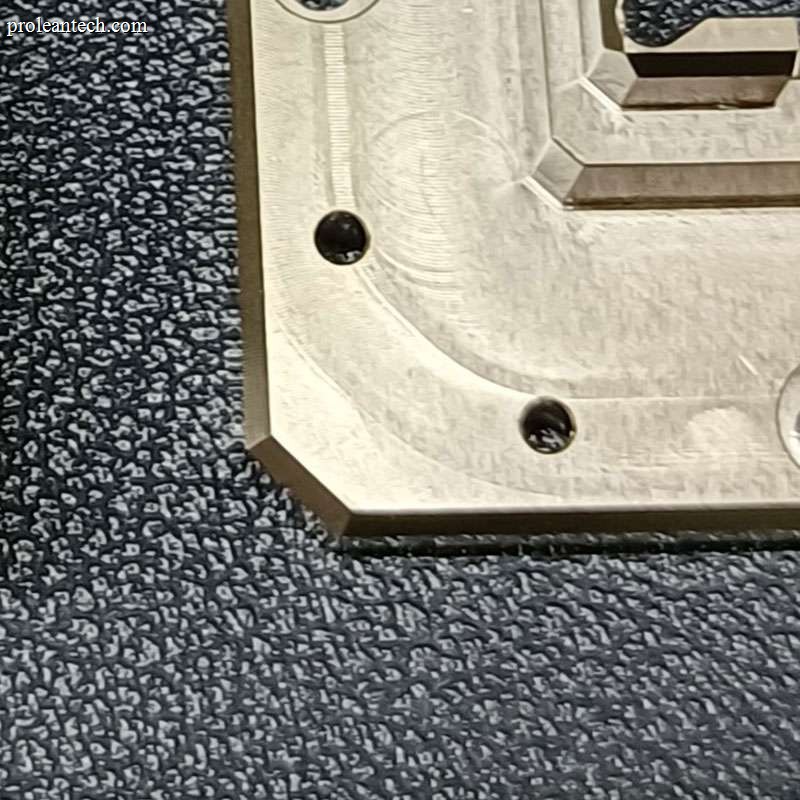
Electro-less Nickel Plating
A thin layer of Nickel is created on the surface from a nickel-containing solution without electrolysis. Electro-less nickel plating provides a shiny appearance, excellent hardness, abrasive, wear, and corrosion-resistance to the substrate material.
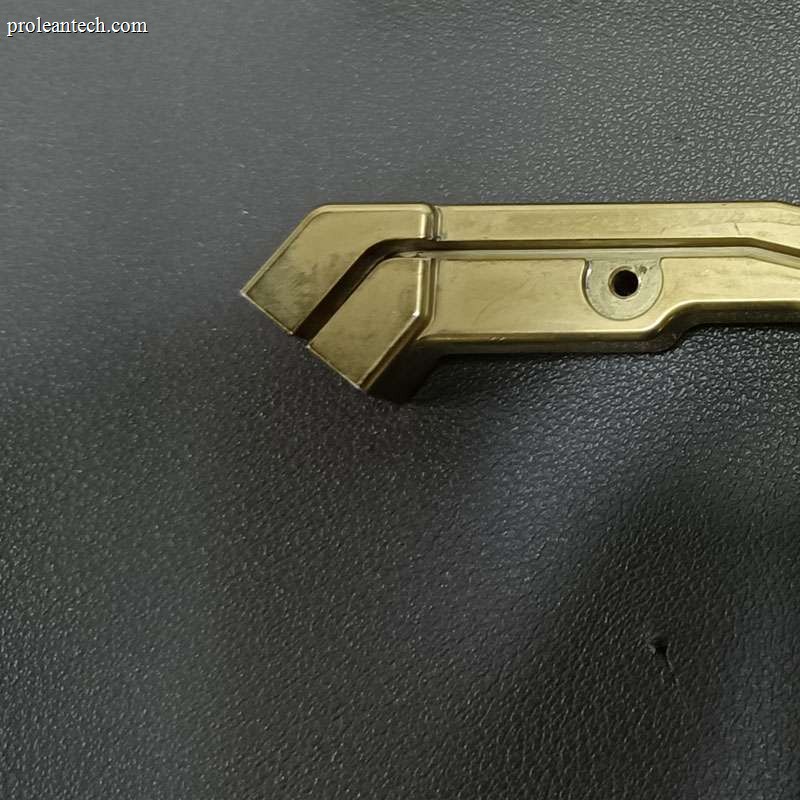
Alodine
Provides excellent corrosion resistance property to the aluminum parts with greenish-gold color. It is the low-cost and quick surface finishing approach.
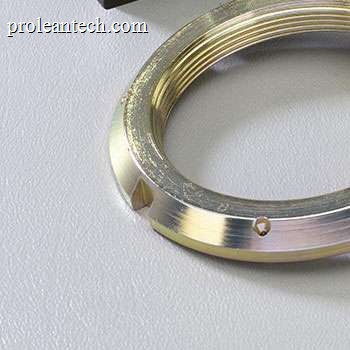
Electroplating
Electroplating increases the hardness of the steel &aluminum parts. It offers excellent corrosion, wears, and abrasion resistance.
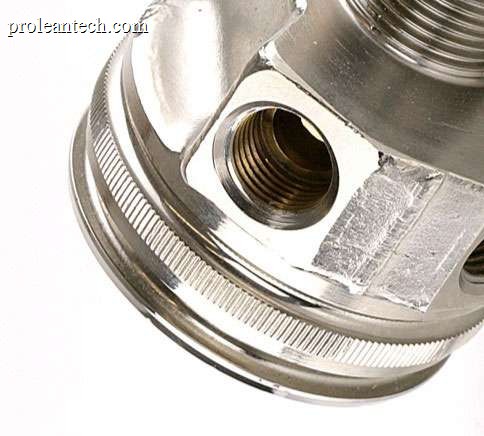
Nickel plating
Make the parts super resistive to corrosion. It enhances mechanical strength, hardness, wear resistance, lubricity, and ductility. Nickel plating is applicable in different materials, including Steel, aluminum, copper, and brass.
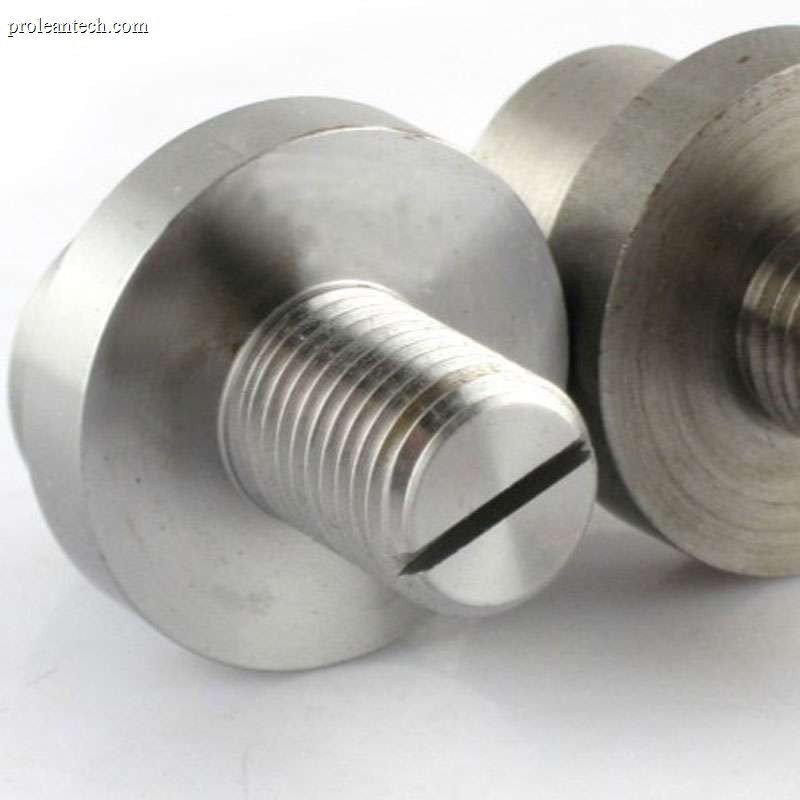
Passivation
Enhance the appearance and functionality of the parts. After Passivation, parts of Steel and its alloys become super resistive from corrosion.
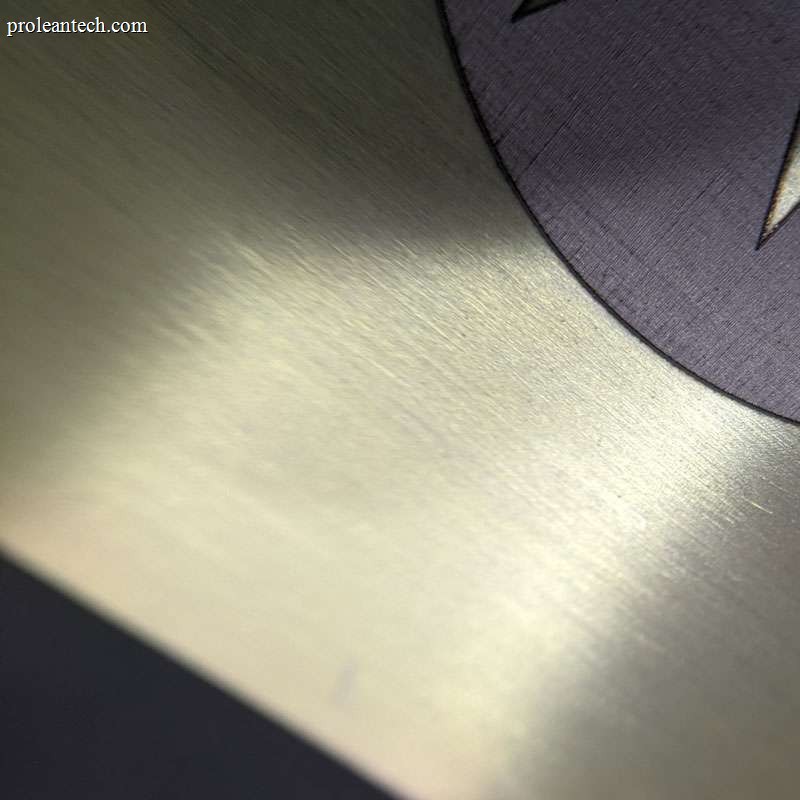
Yellow Chromate conversion coating
A shiny appearance with goldish color provides excellent corrosion resistance. It is applied on the surface of aluminum, magnesium, and their alloys. A layer of chromate also enhances the conductivity of parts
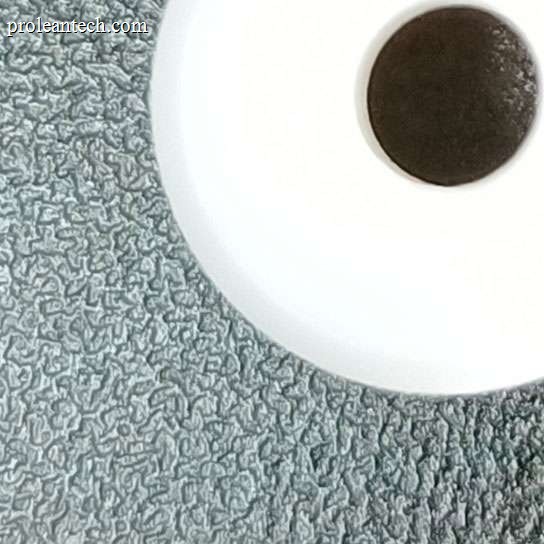
PTFE (Teflon) Coating
The Teflon layer on the parts offers excellent corrosion resistance, water resistance, and non-stickiness with a non-reactive surface.
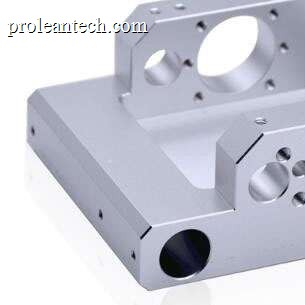
Fine machining
The higher-precision machines produce delicate machining surfaces by utilizing sharper tools and regulating feed rate and cutting speed. Surface roughness up to Ra 0.8 μm can be maintained with smooth machining.
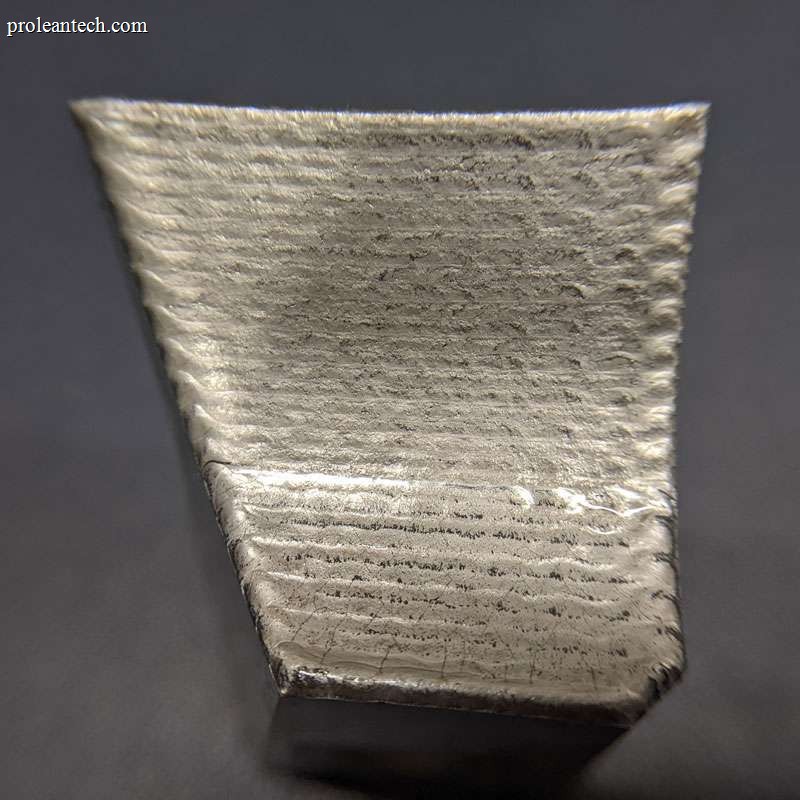
Laser Cladding
Provides excellent corrosion, wear, and abrasion resistance. Laser Cladding is also effective for treating minor surface imperfections such as cavities, tiny cracks, and rust damage.
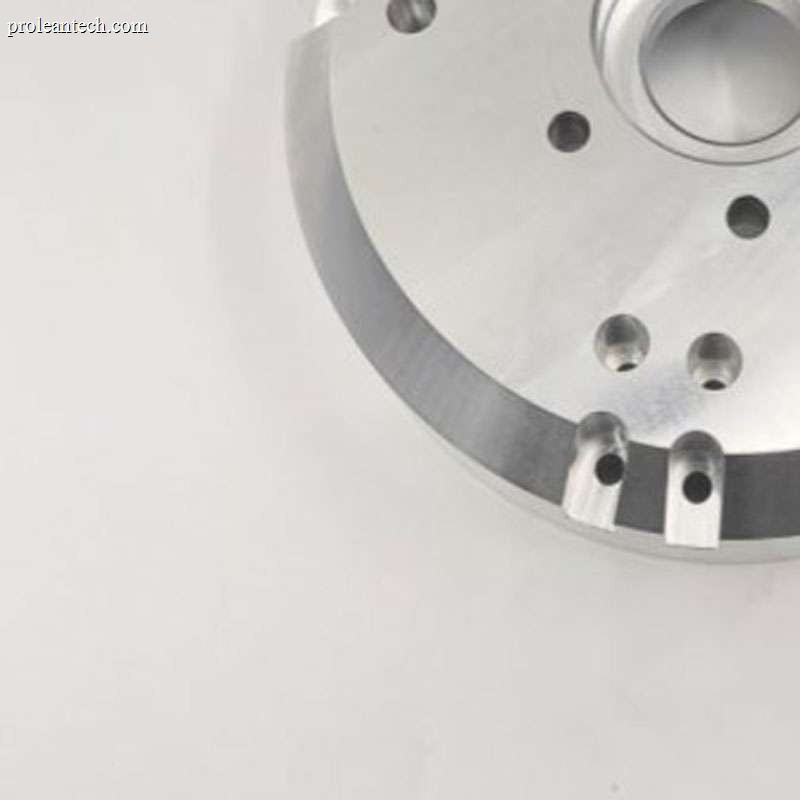
Sanding
Provides a random, non-linear texture with a shiny, high gloss finish. However, it might be unable to create sharp corners and pockets
More
Provides a random, non-linear texture with a shiny, high gloss finish. However, it might be unable to create sharp corners and pockets
3 Ways to Ensure Perfection
Standards
GENERAL TOLERANCE
For metals, the standard is ISO-2768 fH (fine)
For plastics, the standard is ISO-2768 mK (medium)
Metric threads tolerances:ISO 965-1 standard UN Threads Tolerances: ASME B1.1-2003 standard
knurling: ISO13444:2012 standard Our factory is ISO 9001:2015 certificated
Visual inspection and Protection
Constant visual inspection conditions
Quantification of cosmetic surface quality
Process requirements
Part cleaning and Protection
Quality Inspection Report
Inspection Confirmation
Dimensional confirmation
Appearance confirmation
Quality documentation
See why customers dig us
I am very happy that I chose ProleanTech for my prototyping project. Everything from pattern-making to surface finishing was seamless due to frequent updates and close communications.
-Lisa Anderson, Materials Scientist
We are consistently collaborating with Prolean for the production of some home decor items. I do not hesitate to say that we are getting reliable and quality zinc die-casting services.
-David Wilson, Senior Project Manager at CustomToolWorks
The aluminum die-casting service at Prolean Technology has been helpful for our business. Their engineers and operation team always think out of the box to deliver the highest standard.
-Rachel Martinez, ProtoFab Industries
Awesome aluminum die-casting company. They take every minor detail seriously and provide comprehensive solutions from die manufacturing to surface finishing. I definitely recommend Proleantech for your die-casting parts!
-James Brown
Our wind turbine impellers work as we needed and also exceed the designed electrical efficiency by an extra 0.19%. Thank you prolean for every support you provide throughout the last six months.
-Natalie Reed, Injection Molding Engineer
I has been great expenice working with ProleanTech as out Die manufacturer for Aluminum casting dies. They know what designer had in mind and produce the accuraate dies.
-Kevin Mitchell, Surface Finishing Manager at PrecisionCoat Solutions
Latest Blog
Check out our latest blogs, we share industry trends, design tips, and experience earned from manufacturing.
- Electroplating Vs Electro-less plating
- What are the types of surface finishes for CNC machining?
- Common Materials for CNC Machining
- Tolerances in CNC Machining
- Sheet Metal Fabrication: Enclosures for Electronics
- Best Cutting Tools for CNC Machining– Choose the Right
- An Ultimate Guide to CNC Copper Machining
- Production Cycle Time in CNC Machining
- Electroplating Vs Electro-less plating
- What are the types of surface finishes for CNC machining?
- Common Materials for CNC Machining
- Tolerances in CNC Machining
- Sheet Metal Fabrication: Enclosures for Electronics
- Best Cutting Tools for CNC Machining– Choose the Right
- An Ultimate Guide to CNC Copper Machining
- Production Cycle Time in CNC Machining

Die Cast Industry: Status in 2026 and Trends by Segments
Die-casting is a process of creating metal components by forcing molten material into a reusable mold (called a die), where it fills the cavity and takes the shape upon solidification.
Read more →
Electric Discharge Machining Applications Across Industries
Electrical Discharge Machining (EDM) is a non-conventional subtractive manufacturing process, in which a tool (electrode/wire) removes the material from conductive workpieces using controlled electric sparks inside a dielectric medium
Read more →
PEI CNC Machining: Material Grades, Processes, and Considerations
PEI CNC machining converts raw PEI rod, bar, or plate into functional components using cutting, milling, turning, drilling, and other suitable operations using the CAD model & CNC program.
Read more →ZINC DIE-CASTING DATA
Control thin features, cast detail and downstream finishing requirements
Zinc die-cast parts should define alloy, wall/feature geometry, draft, cosmetic and parting-line zones, threaded or machined interfaces, coating/finish route and the inspection evidence for the finished assembly condition.
Engineering data to lock before release
| Alloy/stock state | Named zinc die-casting alloy and traceability |
|---|---|
| Cast-detail data | Wall, ribs, draft, holes and fine-feature constraints |
| Secondary route | Machining, threading, plating or conversion sequence |
| Acceptance | Final dimensions, cosmetics and functional checks |
A cast dimension and a post-machined dimension should be assigned to the correct process and inspection stage.
