
CAPABILITIES
Plasma Cutting Service
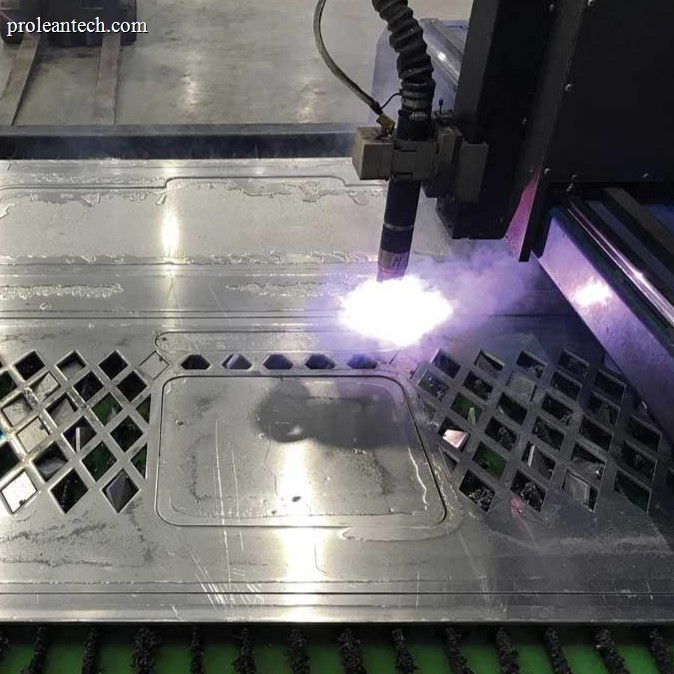
Plasma cutting is an ideal cutting method for thick parts where laser cutting might not perform or is not economically feasible.
Prolean’s plasma cutting service can deliver complex parts with high precision on materials such as aluminium, steel, and stainless steel.
- ISO-2768-c
- Lead time as fast as 1 day
- Aluminum, Steel, Stainless Steel, and more





All uploads are secure and confidential.
Precision Parts. Endless Possibilities.
Explore our custom manufacturing capabilities through real product examples.
















Why Choose Our Plasma Cutting Service
Plasma cutting is more cost-effective than laser cutting and more precise than water-jet cutting. If you are looking to engrave or cut the Sheet metal to create the parts. Our Plasma cutting is the approach that you need. Prolean has all the expertise required for your CNC plasma-cutting project. We provide the service through a CNC plasma cutter with an automated plasma torch.
Our Plasma Cutting Capabilities
Materials |
Thickness range(mm) |
| Aluminum | 1.0-40 |
| Steel | 1.0-40 |
| Stainless Steel | 1.0-40 |
Plasma cutting Material options
Aluminum Plasma Cutting
Aluminum is a superior metal in terms of strength-to-weight ratio. It offers High Machinability, ductility, and thermal & electrical conductivity. Parts with aluminum also become highly resistant to corrosion.
Subtypes: 5052, 5083, 6061, 6082
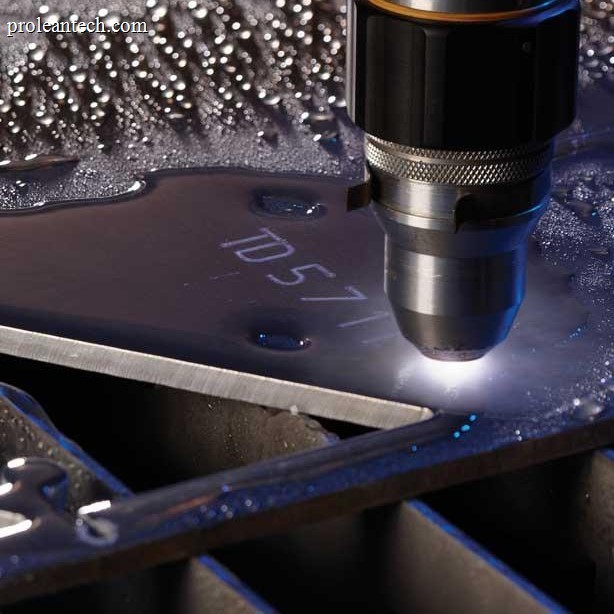 Steel Plasma Cutting
High mechanical strength, toughness, resistance to wear and fatigue, and sturdiness. In addition to carbon, other alloying elements can be added depending on the needed mechanical and physical qualities.
Subtypes: 1018, SPCC
 Stainless Steel Part
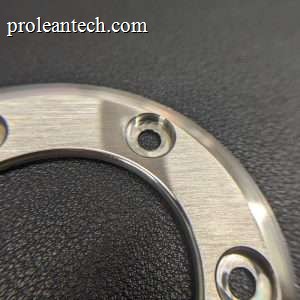
High mechanical strength, Thermal, Wear, and Corrosion resistance. Stainless steel is low-cost and can be machined easily. Parts made from Stainless steel are durable and do not lose that strength over time.
Subtypes: 301, 304, 316
Finishing Options Plasma Cutting
We provide various surface finish options for your sheet metal project. If your required surface treatment is not listed below, feel free to contact us for more options.
As the machined or deburring
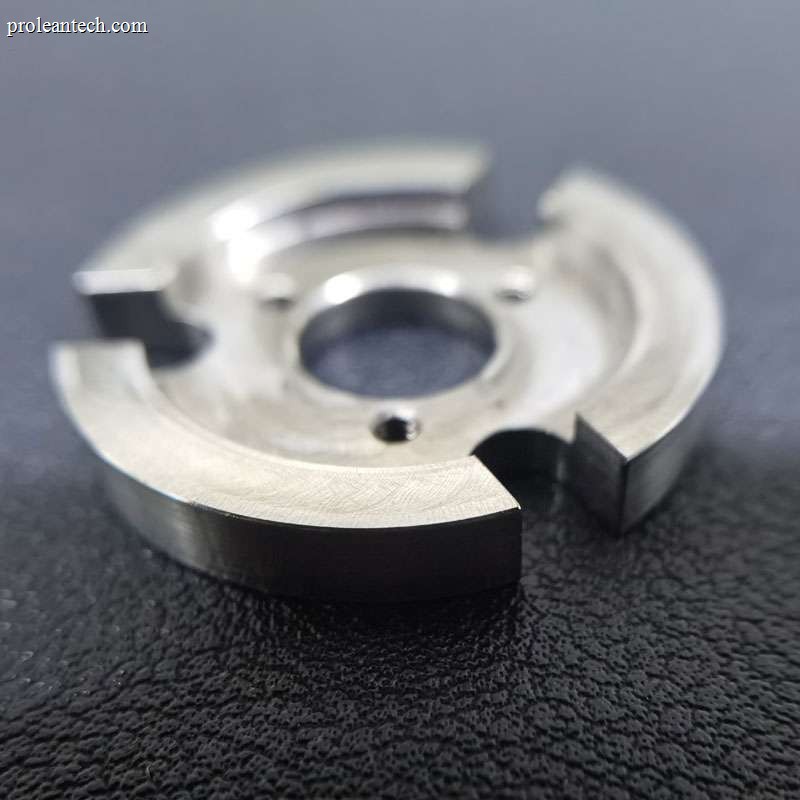
The machined or deburring finish is the standard finish where unwanted attach chips are removed with deburring tools, and sharp edges are chamfered to smooth the surface (3.2 μm).
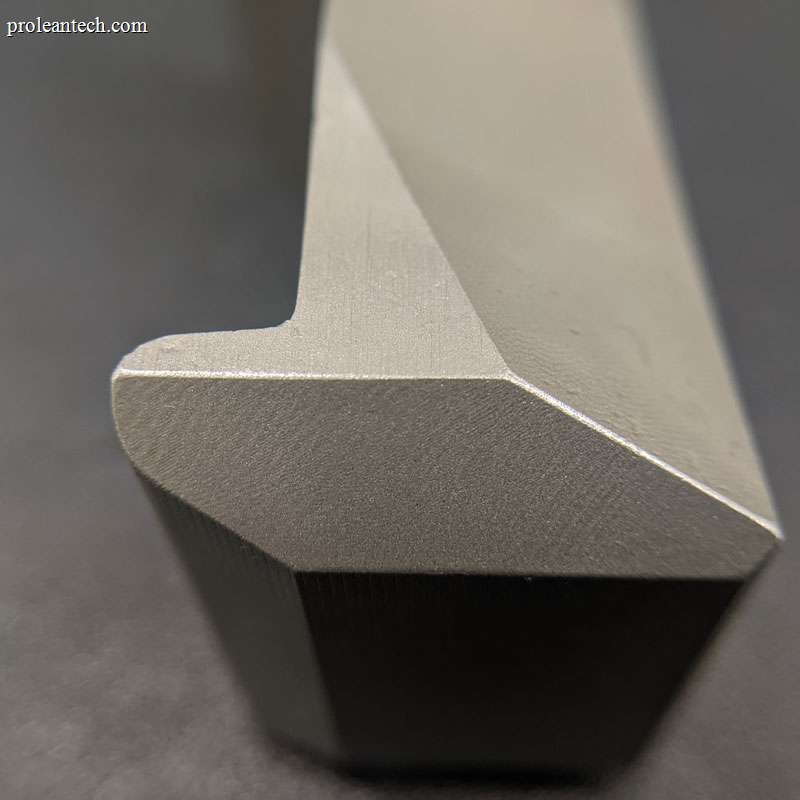
Bead Blasted
Bead blasting produces a matte texture, removing all the marks of machining tools. It applies to ABS, Aluminum, Brass, Stainless Steel, and Steel parts.
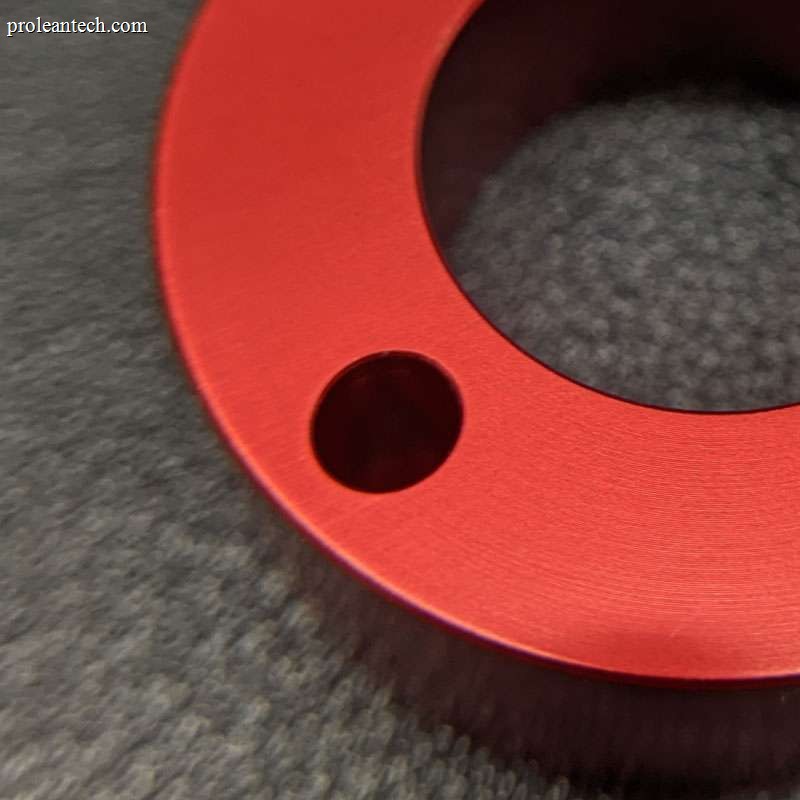
Anodizing
Anodizing involves adding an aluminum oxide coating to aluminum and its alloys. The layers, which come in various colors, increase strength and shield the surface from corrosion.
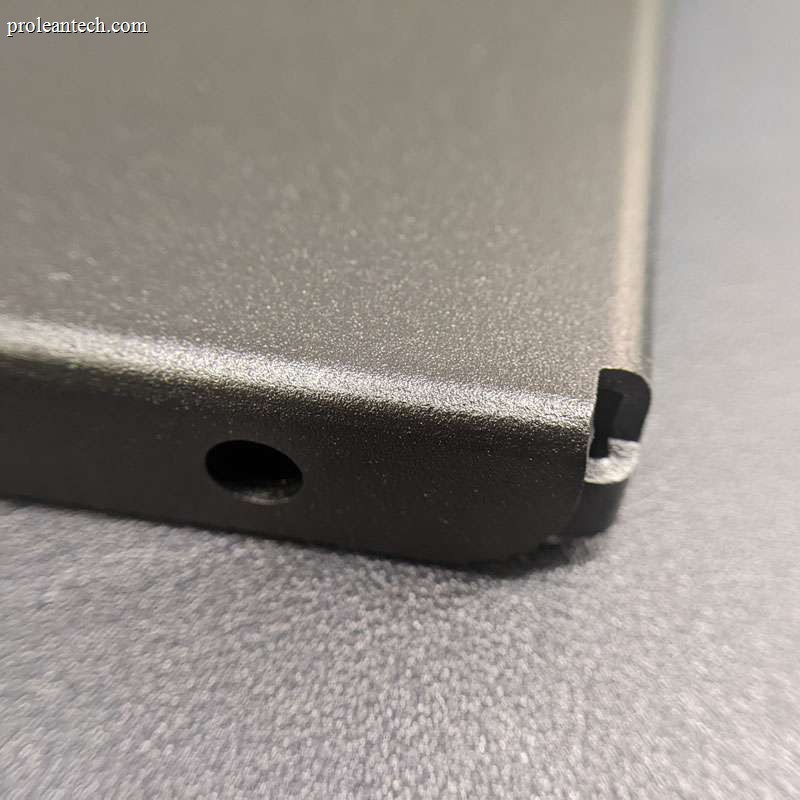
Powder coating
Powder coating is the electrostatically applying of dry powder to the surface. It produces a thin layer providing excellent resistance to wear, corrosion, and abrasion.
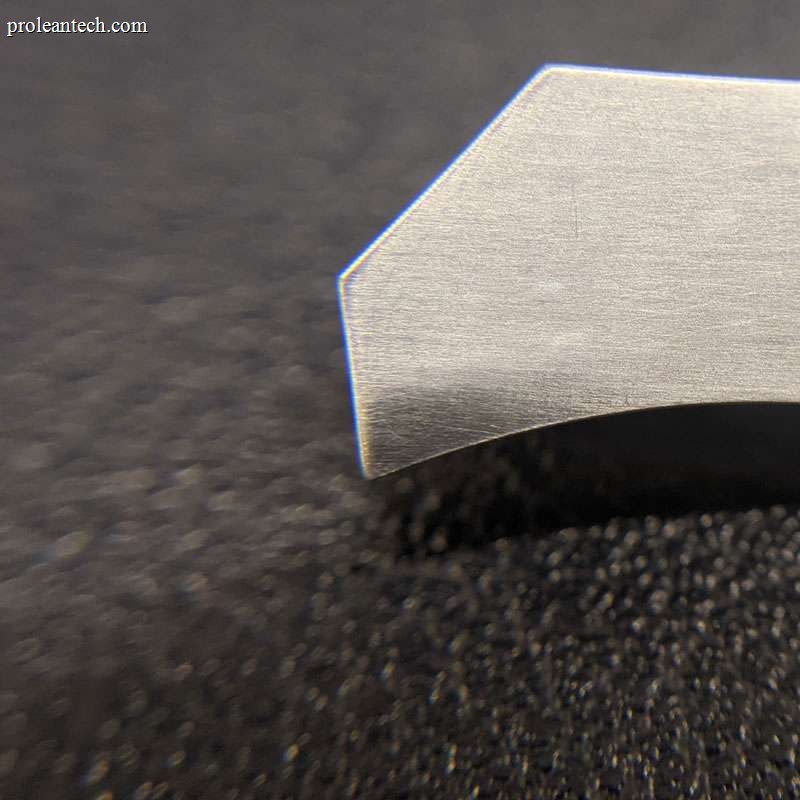
Polishing
Physical rubbing of a metal surface to create a shiny surface is called a polishing surface finish. It increases the reflectivity and does not affect the dimensional stability of parts.
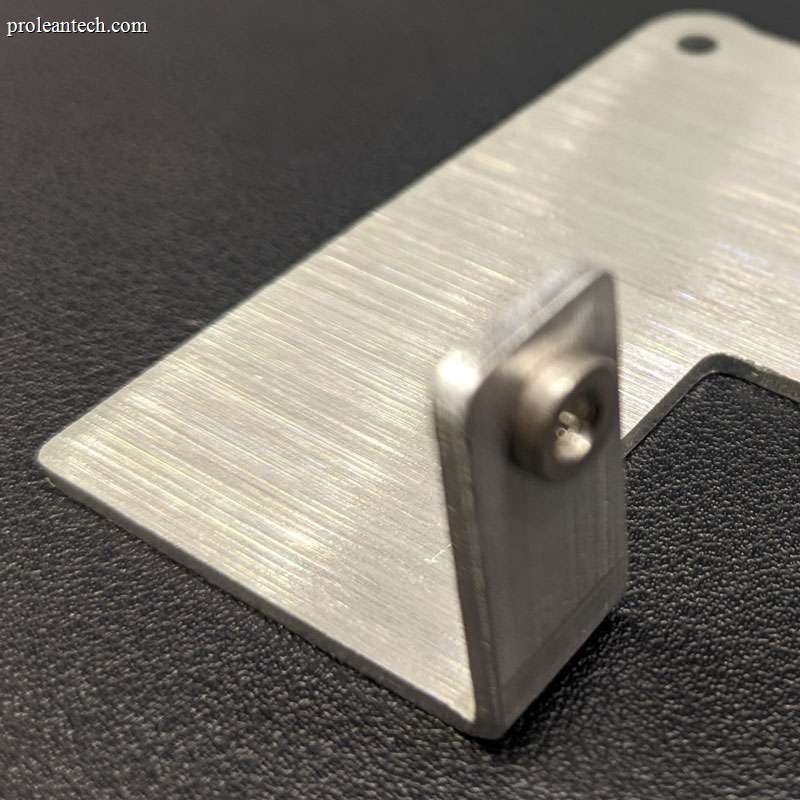
Brushing
Brushing is achieved by applying an abrasive brush to the metal surface, which produces a unidirectional satin finish. And it is not recommended for highly corrosive materials.
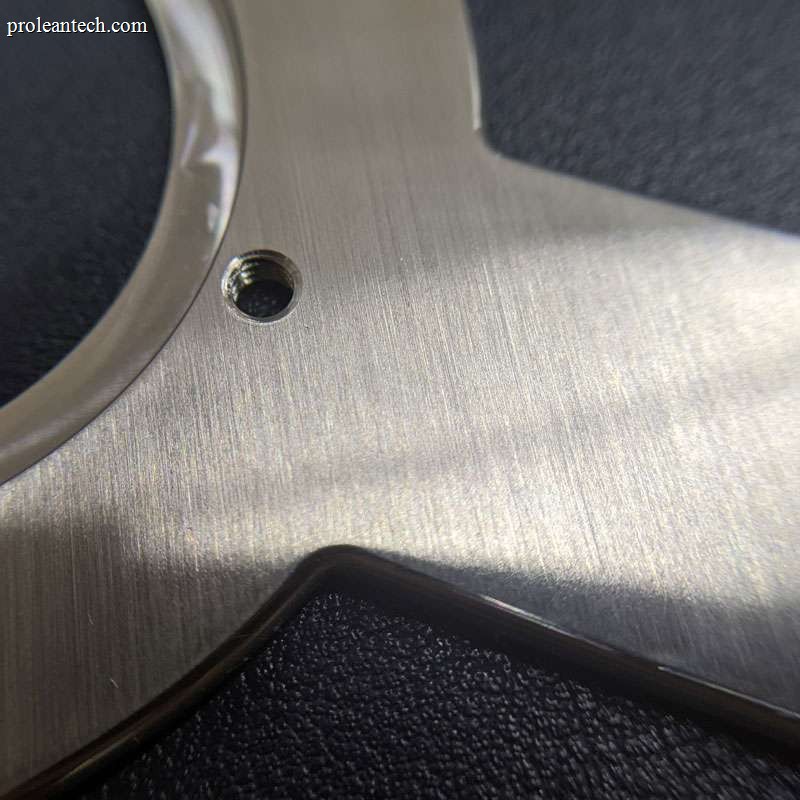
Smooth machining
Smooth machining is done by controlling the machining process, such as feed rate & cutting speed. It minimizes the tool marks and risk of corrosion.
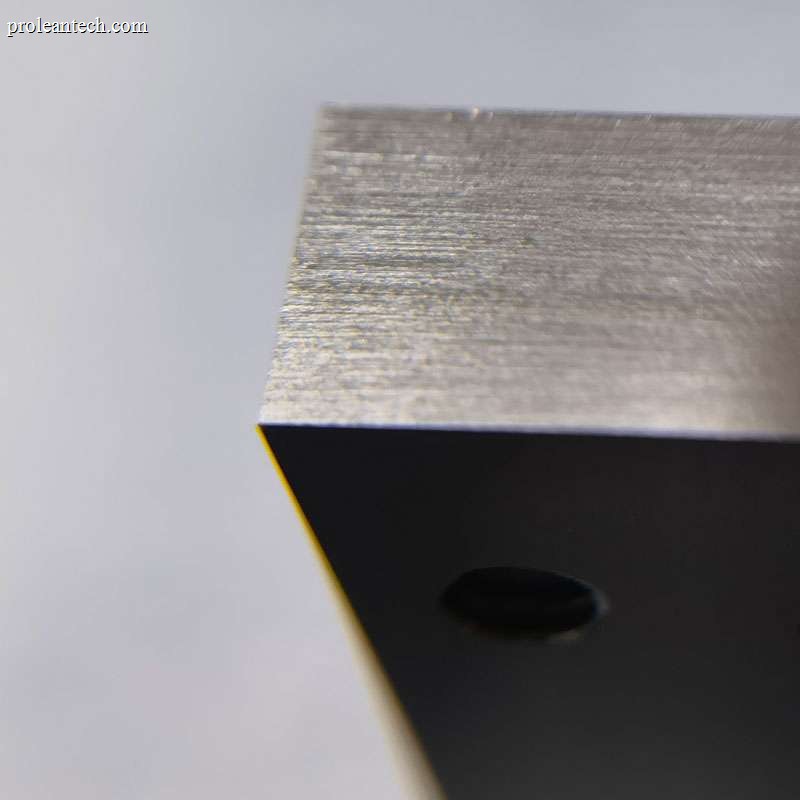
Black-Oxide
Black oxide finish reduces surface reflectivity and offers mild corrosion protection. It involves adding a thin layer of magnetite to the surface.
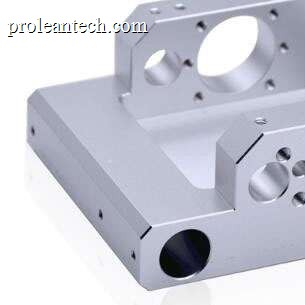
Fine machining
The higher-precision machines produce delicate machining surfaces by utilizing sharper tools and regulating feed rate and cutting speed. Surface roughness up to Ra 0.8 μm can be maintained with smooth machining.
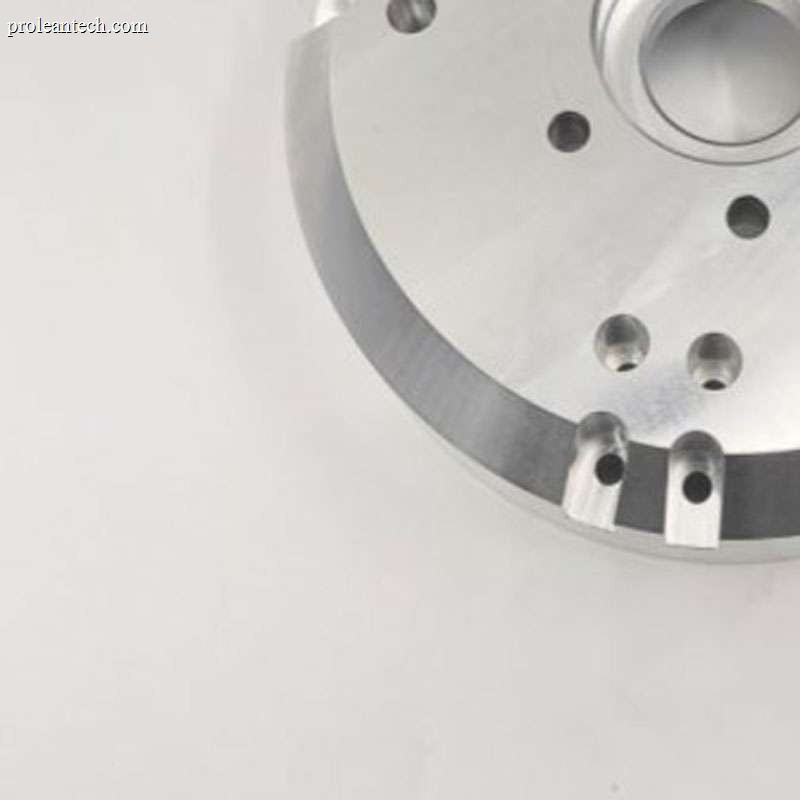
More
Provides a random, non-linear texture with a shiny, high gloss finish. However, it might be unable to create sharp corners and pockets
Plasma Cutting Tolerances
Dimension detail |
Tolerance(+/-) |
| Edge to edge, single surface | 0.005 inch |
| Edge to hole, single surface | 0.005 inch |
| Hole to hole, single surface | 0.002 inch |
| Bend to edge / hole, single surface | 0.010 inch |
| Edge to feature, multiple surface | 0.030 inch |
| Over formed part, multiple surface | 0.030 inch |
3 Ways to Ensure Perfection
Standards
Metals: ISO-2768 fH (fine)
Plastics: ISO-2768 mK (medium)
Metric threads tolerances: ISO 965-1 standard UN Threads Tolerances: ASME B1.1-2003 standard
Knurling: ISO13444:2012 standard.
Our factory is ISO 9001:2015 certificated
Inspection and Protection
Constant visual inspection conditions
Quantification of cosmetic surface quality
Process requirements
Part cleaning and Protection
Quality Inspection Report
Inspection Confirmation
Dimensional confirmation
Appearance confirmation
Quality documentation
Plasma Cutting FAQ
What is plasma cutting?
Plasma cutting is a thermal cutting process that uses a concentrated plasma arc, which melts the material from the cutting spot to create the cut or profile.
Which material can be cut with plasma cutters?
Plasma cutters can cut metal & alloys having high electrical conductivity, such as copper, steel, titanium, aluminum, and many more. In addition, it is compatible with up to medium thickness (100 mm).
What are the reasons for choosing plasma cutting technology?
Plasma-cutting technology offers high precision, complex cuts, high production speed, safe handling, and many more advantages.
What are the three components of a plasma arc cutter?
Three components of the plasma arc include a Power source, an Arc starting console, and a Plasma torch. The power source provides the supply. The Arc starting console deals with the arc generation & ionization of gas, and the plasma torch is responsible for supplying concentrated plasma beams and handling consumables.
Related Blog
Plasma Cutting Metal: Process, Materials, Benefits & Applications
Plasma cutting metal for stainless steel, aluminum, titanium, and other conductive metals.
Aluminum Stamping: Complete Guide to Processes, Dies, and Parts
Aluminum stamping is used to make lightweight brackets, covers, and electronic housings.
A Comparative Guide on Metal Stamping and Forming
Metal stamping and forming create brackets, panels, clips, and other metal parts.
Latest Blog
Check out our latest blogs, we share industry trends, design tips, and experience earned from manufacturing.
- Electroplating Vs Electro-less plating
- What are the types of surface finishes for CNC machining?
- Common Materials for CNC Machining
- Tolerances in CNC Machining
- Sheet Metal Fabrication: Enclosures for Electronics
- Best Cutting Tools for CNC Machining– Choose the Right
- An Ultimate Guide to CNC Copper Machining
- Production Cycle Time in CNC Machining
- Electroplating Vs Electro-less plating
- What are the types of surface finishes for CNC machining?
- Common Materials for CNC Machining
- Tolerances in CNC Machining
- Sheet Metal Fabrication: Enclosures for Electronics
- Best Cutting Tools for CNC Machining– Choose the Right
- An Ultimate Guide to CNC Copper Machining
- Production Cycle Time in CNC Machining

Die Cast Industry: Status in 2026 and Trends by Segments
Die-casting is a process of creating metal components by forcing molten material into a reusable mold (called a die), where it fills the cavity and takes the shape upon solidification.
Read more →
Electric Discharge Machining Applications Across Industries
Electrical Discharge Machining (EDM) is a non-conventional subtractive manufacturing process, in which a tool (electrode/wire) removes the material from conductive workpieces using controlled electric sparks inside a dielectric medium
Read more →
PEI CNC Machining: Material Grades, Processes, and Considerations
PEI CNC machining converts raw PEI rod, bar, or plate into functional components using cutting, milling, turning, drilling, and other suitable operations using the CAD model & CNC program.
Read more →PLASMA-CUTTING DATA
Define thickness, edge-quality target and machining allowance where needed
Plasma-cut components need material and thickness, cut profile, kerf/edge expectations, dross cleanup, heat-affected-zone sensitivity, downstream machining allowance and the finished dimensional inspection state.
Engineering data to lock before release
| Plate definition | Material grade, thickness and starting surface condition |
|---|---|
| Cut data | Profile, pierce location and edge-quality requirement |
| Downstream route | Deburr, bevel, weld prep or machining allowance |
| Acceptance | Finished profile, edge condition and measurement method |
A thermal-cut edge can be a preform for machining or welding; make that downstream role explicit when selecting quality limits.
