
SURFACE FINISHING
Powder coating
Surface finishing with powder coatings includes electrostatically depositing dry powder thermally cured.
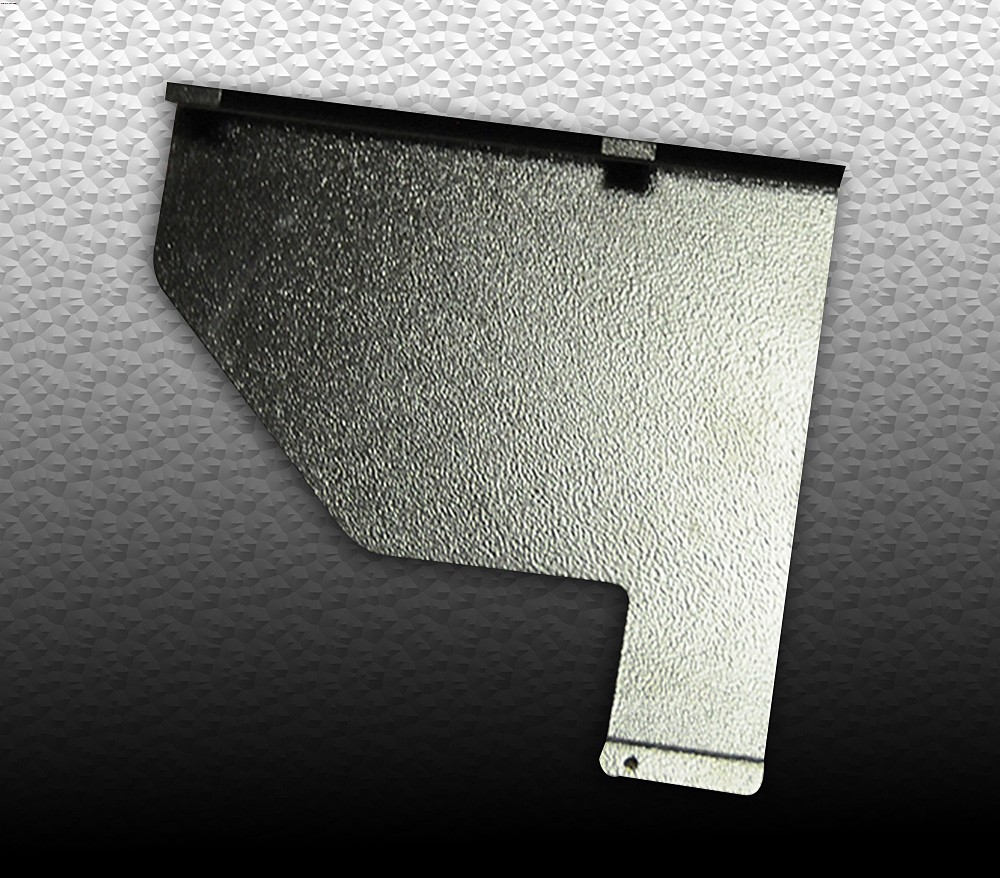
Precision Parts. Endless Possibilities.
Explore our custom manufacturing capabilities through real product examples.
















Introduction
Powder coating is the electrostatically applied of dry powder to the surface. It produces a thin layer providing excellent resistance to wear, corrosion, and abrasion.
Surface finishing with powder coatings includes electrostatically depositing dry powder thermally cured. Powder coating offers a durable surface and is suitable for metal parts made of Steel and aluminum. Their alloys are coated with powder—particularly those used in Vehicle & household appliances. The powder coating creates a strong layer resistant to wear, corrosion, and abrasion.
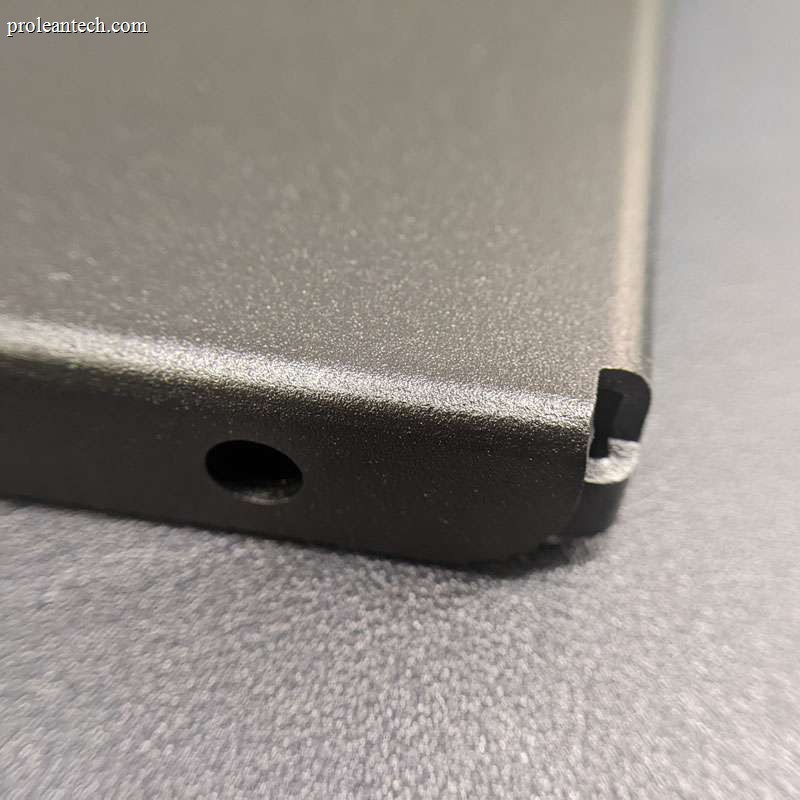
key properties
| Features | Info |
|---|---|
| Materials | Aluminum, Stainless Steel, Steel |
| Color | Black (20% or 90% gloss), white (20% or 90% gloss) |
| Texture | Gloss or semi-gloss |
| Thickness | 60μm to 100μm |
Powder coating’s advantages over traditional liquid coating methods
| High durability: Powder coating is a very durable and long-lasting coating that can withstand high temperatures, chemicals, and UV exposure. |
| High efficiency: Powder coating can be applied quickly and easily and it does not require solvents. |
| High versatility: Powder coating can be used on a wide range of materials, including metals, plastics, and composites. |
| High environmental friendliness: Powder coating does not produce hazardous pollutants during the application process. |
Steps of powder coating:
| Surface preparation: The surface to be coated must be cleaned and prepared to ensure the adhesion of the coating. |
| Application: The powder is electrostatically charged and sprayed onto the surface, where it is then fused into a smooth, even coating. |
| Curing: The coated surface is then heated in an oven to cure the coating, which can take anywhere from a few minutes to an hour, depending on the specific powder used and the thickness of the coating. |
| Inspection: The coating is inspected for any defects, such as bubbles, sags, or holidays (missed spots) |
It is important to note that powder coating can also be applied in a fluidized bed process, where the parts are dipped into a fluidized powder and then cured.
Powder coating is widely used in various industries such as automotive, architectural, appliances, furniture, general manufacturing, and many more.
Try Prolean Now!
Latest Blog
Check out our latest blogs, we share industry trends, design tips, and experience earned from manufacturing.
- Electroplating Vs Electro-less plating
- What are the types of surface finishes for CNC machining?
- Common Materials for CNC Machining
- Tolerances in CNC Machining
- Sheet Metal Fabrication: Enclosures for Electronics
- Best Cutting Tools for CNC Machining– Choose the Right
- An Ultimate Guide to CNC Copper Machining
- Production Cycle Time in CNC Machining
- Electroplating Vs Electro-less plating
- What are the types of surface finishes for CNC machining?
- Common Materials for CNC Machining
- Tolerances in CNC Machining
- Sheet Metal Fabrication: Enclosures for Electronics
- Best Cutting Tools for CNC Machining– Choose the Right
- An Ultimate Guide to CNC Copper Machining
- Production Cycle Time in CNC Machining

Die Cast Industry: Status in 2026 and Trends by Segments
Die-casting is a process of creating metal components by forcing molten material into a reusable mold (called a die), where it fills the cavity and takes the shape upon solidification.
Read more →
Electric Discharge Machining Applications Across Industries
Electrical Discharge Machining (EDM) is a non-conventional subtractive manufacturing process, in which a tool (electrode/wire) removes the material from conductive workpieces using controlled electric sparks inside a dielectric medium
Read more →
PEI CNC Machining: Material Grades, Processes, and Considerations
PEI CNC machining converts raw PEI rod, bar, or plate into functional components using cutting, milling, turning, drilling, and other suitable operations using the CAD model & CNC program.
Read more →POWDER-COATING SPECIFICATION
Define substrate preparation, film data and fit protection
Powder coating requirements should identify substrate preparation, color/gloss reference, film thickness or performance criteria, cure constraints, masking and the way tight fits, threads, ground points or sealing surfaces are protected.
Engineering data to lock before release
| Preparation | Substrate cleaning and pretreatment requirement |
|---|---|
| Coating target | Color, gloss, texture and film-performance requirement |
| Geometry protection | Threads, bores, electrical grounds and sealing faces |
| Verification | Film measurement, visual standard and adhesion/performance test |
Masking and dimensional build-up should be resolved in the drawing before coating, not corrected during assembly.
