
CAPABILITIES
Overmolding Service
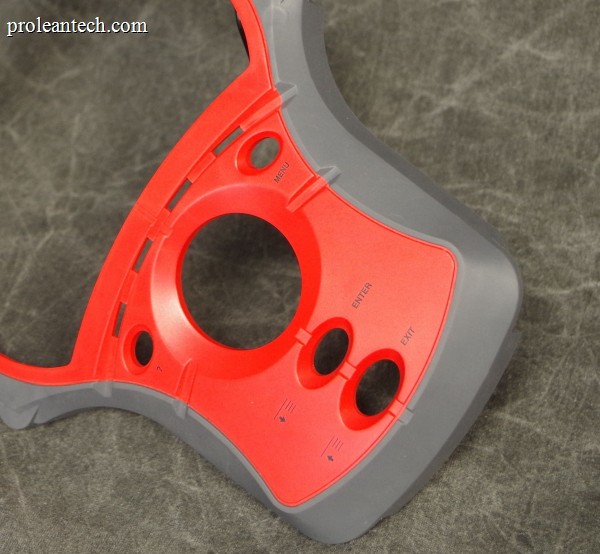
Industries including robotics, medical and automotive use overmolding for manufacturing aesthetically pleasing products or to reduce the assembly line stations. Overmolding offers a more convenient solution for injection molded products with two or more materials.
Prolean’s overmolding services offer all the different combinations for overmolded parts with a wide range of materials to choose from.





All uploads are secure and confidential.
Precision Parts. Endless Possibilities.
Explore our custom manufacturing capabilities through real product examples.
















What is Overmolding?
How to Order Parts?
Get a free quote from a real engineer; once we receive your design, our engineer will review it and send you a quote as fast as one hour.

Get an Instant Quote
Upload your design file or email our engineering team directly. You'll get a firm quote in as fast as one hour, no account required.

Start Production
Once you confirm your order, production begins immediately. Track real-time status from cutting through final inspection via your order dashboard.

Receive Your Part
Every part passes quality control before it ships. We pack parts to prevent damage in transit and deliver directly to your address.
We generally evaluate production and provide quotations within one hour. If you need a more urgent quote immediately, please contact us through our official WhatsApp account.
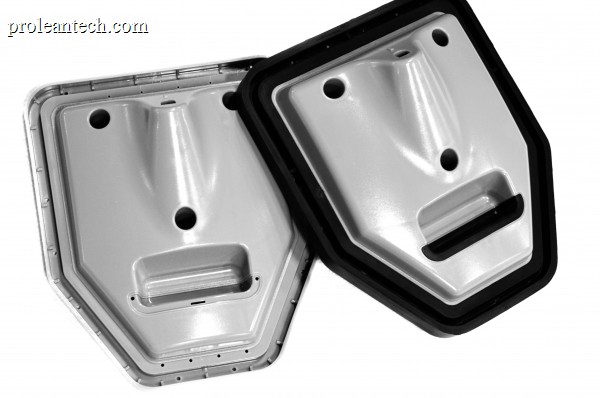
Overmolding has one primary advantage. One machine can generate multiple pieces of the part directly on each other. This reduces the number of machines and assembly line stations required which saves a large amount of time and money.
Overmolded parts have a broad range of applications due to their composite nature. Grips, seals, insulation, and vibration-absorbing layers are often over-moulded on products.
What Materials Are Available For Overmolding?
| Thermoplastics | |
| ABS | PET |
| PC | PMMA |
| Nylon (PA) | POM |
| Glass Filled Nylon (PA GF) | PP |
| PC/ABS | PVC |
| PE/HDPE/LDPE | TPU |
| PEEK | |
Finishing Options For Overmolding Product
As the machined or deburring
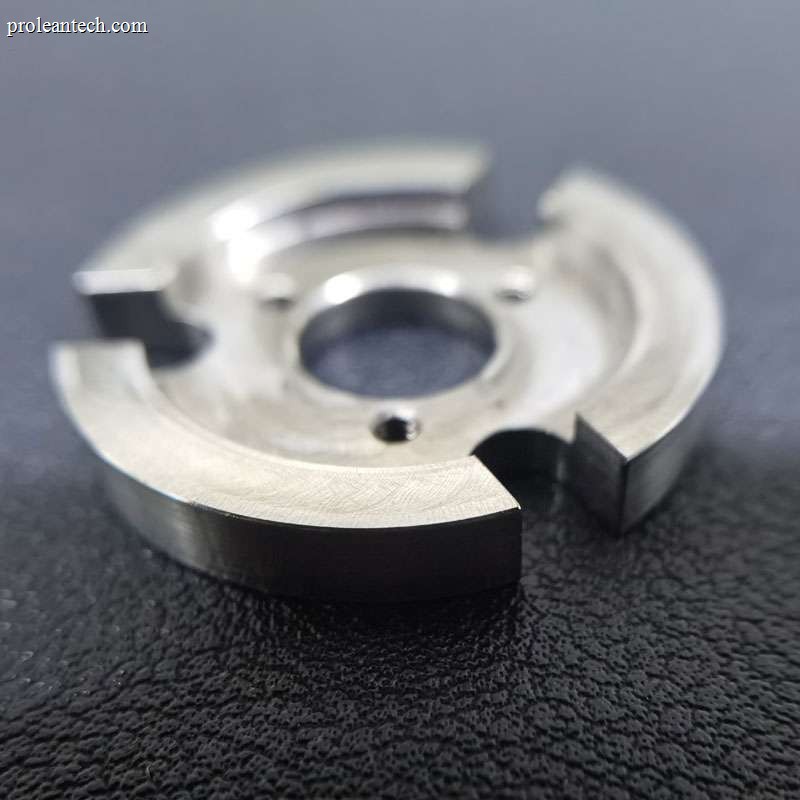
The machined or deburring finish is the standard finish where unwanted attach chips are removed with deburring tools, and sharp edges are chamfered to smooth the surface (3.2 μm).
Bead Blasted
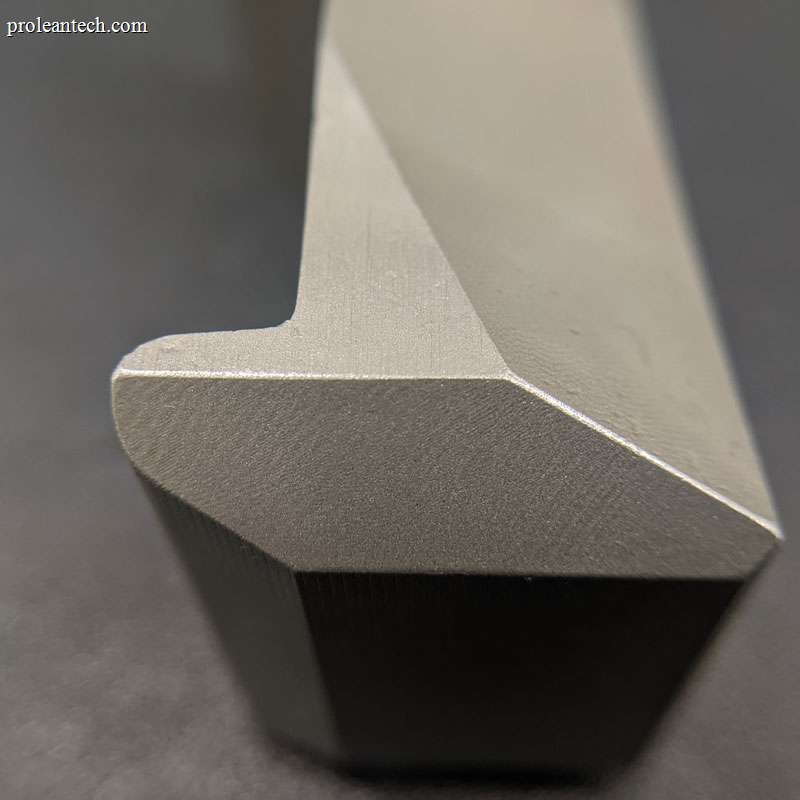
Bead blasting produces a matte texture, removing all the marks of machining tools. It applies to ABS, Aluminum, Brass, Stainless Steel, and Steel parts.
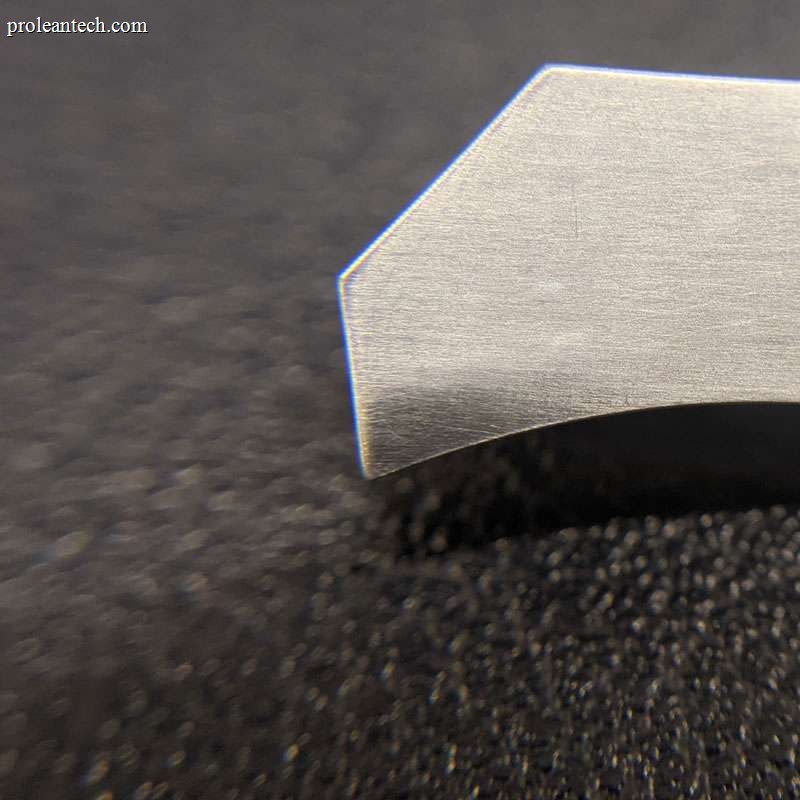
Polishing
Physical rubbing of a metal surface to create a shiny surface is called a polishing surface finish. It increases the reflectivity and does not affect the dimensional stability of parts.
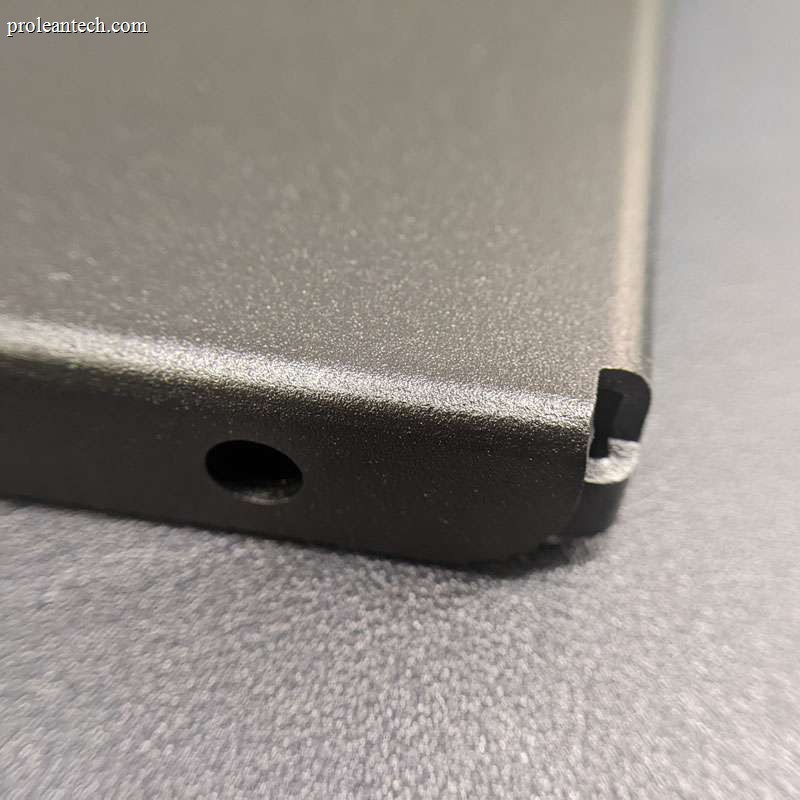
Powder coating
Powder coating is the electrostatically applying of dry powder to the surface. It produces a thin layer providing excellent resistance to wear, corrosion, and abrasion.
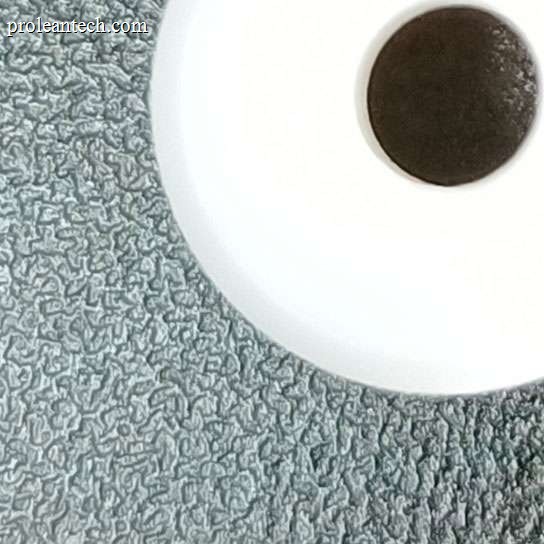
PTFE (Teflon) Coating
The Teflon layer on the parts offers excellent corrosion resistance, water resistance, and non-stickiness with a non-reactive surface.
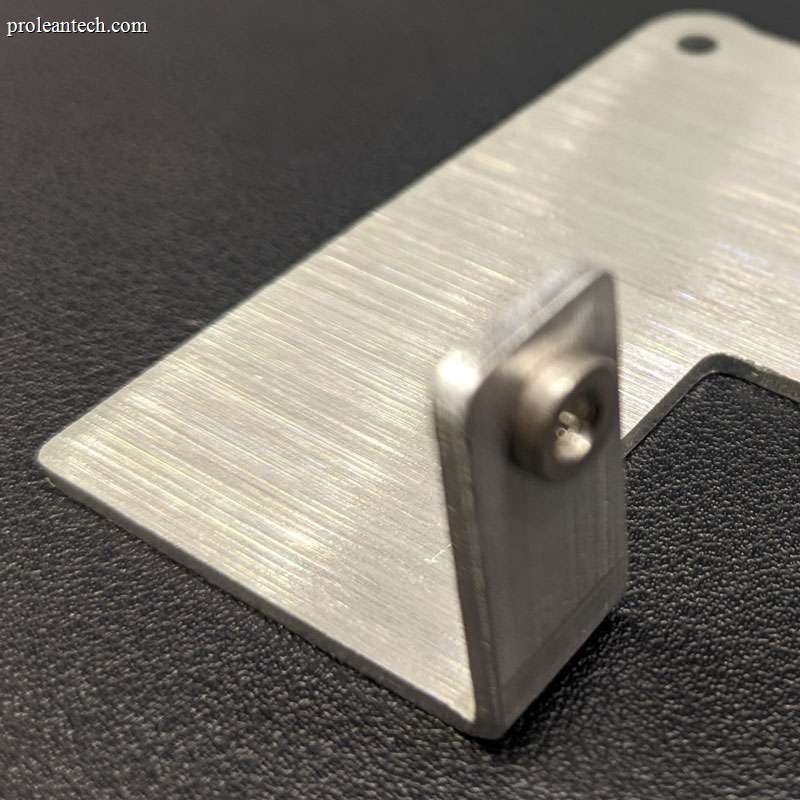
Brushing
Brushing is achieved by applying an abrasive brush to the metal surface, which produces a unidirectional satin finish. And it is not recommended for highly corrosive materials.
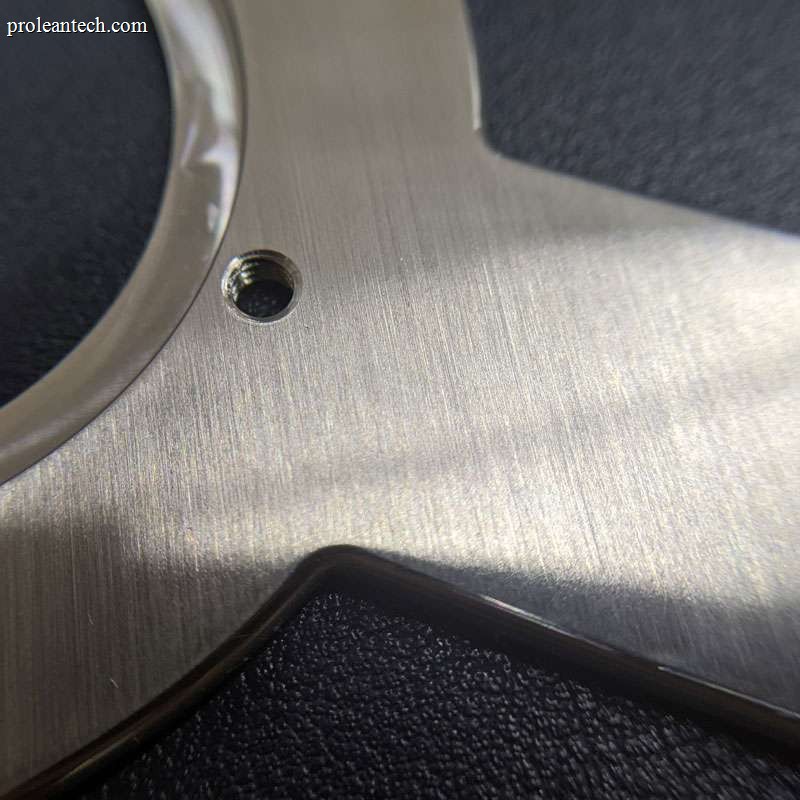
Smooth machining
Smooth machining is done by controlling the machining process, such as feed rate & cutting speed. It minimizes the tool marks and risk of corrosion.
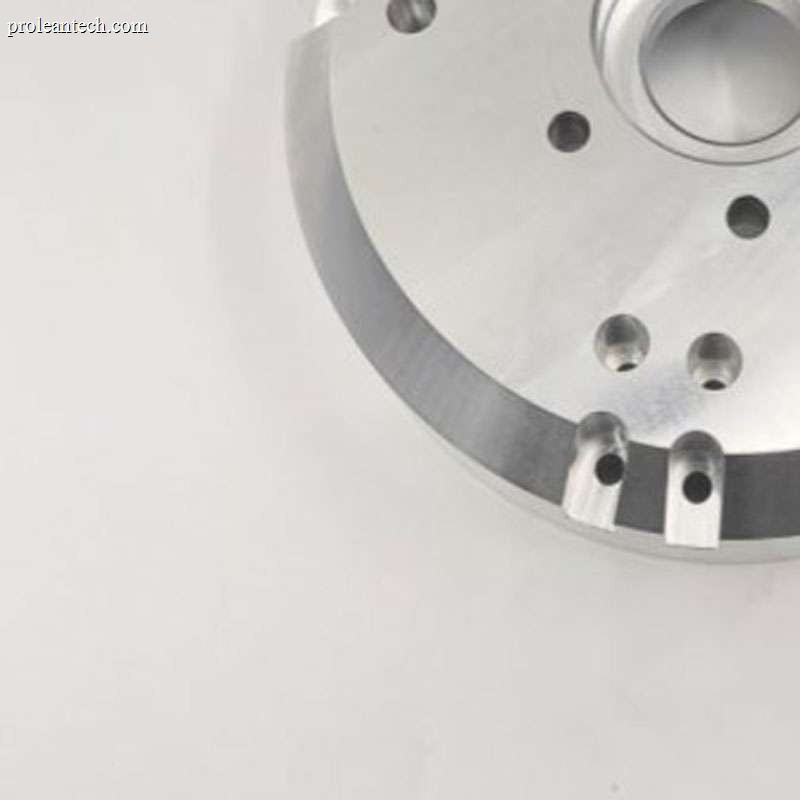
More
Provides a random, non-linear texture with a shiny, high gloss finish. However, it might be unable to create sharp corners and pockets
3 Ways to Ensure Perfection
Standards
GENERAL TOLERANCE
For metals, the standard is ISO-2768 fH (fine)
For plastics, the standard is ISO-2768 mK (medium)
Metric threads tolerances:ISO 965-1 standard UN Threads Tolerances: ASME B1.1-2003 standard
knurling: ISO13444:2012 standard Our factory is ISO 9001:2015 certificated
Visual inspection and Protection
Constant visual inspection conditions
Quantification of cosmetic surface quality
Process requirements
Part cleaning and Protection
Quality Inspection Report
Inspection Confirmation
Dimensional confirmation
Appearance confirmation
Quality documentation
See why customers dig us
I am especially pleased with how you provided the overmolding prototypes for adjusted design each time before full-scale production. Thank you!
-Jonathan Meyers, Senior Prototyping Engineer at InnovateMold Solutions
Excellent grips on my tool holders and I am fully satisfied with the results. I don’t think anyone will meet the collaboration spirit of Proleantech’s Engineers.
-Emily Carter, Director of Product Development
Our remote control housings arrived today! All of them are according to specifications and surface polishing looks nice too! We will surely collaborate in the future.
-Mark Johnson, Lead Manufacturing Engineer at Prototype Edge
These polypropylene toothbrushes look great and perfectly functional as we needed. We will customize the surface texture and color next time. Thank you for the timely delivery.
-Sarah Thompson, Head of R&D
We received the insulated cable assemblies, and they are perfect! The flexibility and durability are exactly what we needed. Your team’s dedication and clear communication has been invaluable.
-Michael Harrison, CastForm Technologies
Gallery Of Over-Molding Product


Related Blog
Common Injection Molding Applications, Design Features, & Tips
Injection molding applications range from aircraft components and automotive parts to medical devices, electronic housings, construction fittings, and agricultural components.
TPE Injection Molding: Types, Process, and Design Guidelines
TPE injection molding is widely used for seals, grips, and medical components.
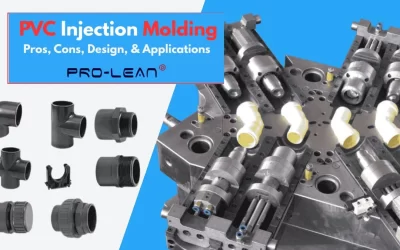
PVC Injection Molding: Pros, Cons, Design & Applications
PVC injection molding is used to make pipes, fittings, electrical housings, valves, and connectors.
Latest Blog
Check out our latest blogs, we share industry trends, design tips, and experience earned from manufacturing.
- Electroplating Vs Electro-less plating
- What are the types of surface finishes for CNC machining?
- Common Materials for CNC Machining
- Tolerances in CNC Machining
- Sheet Metal Fabrication: Enclosures for Electronics
- Best Cutting Tools for CNC Machining– Choose the Right
- An Ultimate Guide to CNC Copper Machining
- Production Cycle Time in CNC Machining
- Electroplating Vs Electro-less plating
- What are the types of surface finishes for CNC machining?
- Common Materials for CNC Machining
- Tolerances in CNC Machining
- Sheet Metal Fabrication: Enclosures for Electronics
- Best Cutting Tools for CNC Machining– Choose the Right
- An Ultimate Guide to CNC Copper Machining
- Production Cycle Time in CNC Machining

Die Cast Industry: Status in 2026 and Trends by Segments
Die-casting is a process of creating metal components by forcing molten material into a reusable mold (called a die), where it fills the cavity and takes the shape upon solidification.
Read more →
Electric Discharge Machining Applications Across Industries
Electrical Discharge Machining (EDM) is a non-conventional subtractive manufacturing process, in which a tool (electrode/wire) removes the material from conductive workpieces using controlled electric sparks inside a dielectric medium
Read more →
PEI CNC Machining: Material Grades, Processes, and Considerations
PEI CNC machining converts raw PEI rod, bar, or plate into functional components using cutting, milling, turning, drilling, and other suitable operations using the CAD model & CNC program.
Read more →OVERMOULDING DATA
Define the substrate-to-overmould interface and the function it must retain
Overmoulded components need a controlled substrate material and condition, overmould resin, interface geometry, bond/mechanical-lock requirement, masking, color/cosmetic zones and the test that demonstrates the combined part functions as intended.
Engineering data to lock before release
| Substrate definition | Base part material, finish and incoming condition |
|---|---|
| Overmould material | Resin/grade, color and target functional behavior |
| Interface design | Mechanical locks, bond zones, vents and protected areas |
| Verification | Bond/retention test, dimensions and visual acceptance |
The interface is the key product feature; define whether retention comes from adhesion, mechanical interlock, or both.
