
Surface Treatment
Laser Engraving Services
Our Custom laser engraving service offer unparalleled precision with dimensional tolerances of ±0.13mm and a laser kerf of 0-0.2mm, utilizing advanced CO2 and fiber technologies across a diverse range of over 200 engineered materials.
- Prolean offers precision and accuracy laser engraving service
- Guarantees dimensional tolerances of ±0.13mm.
- Laser kerf is between 0-0.2mm.
- High precision is maintained regardless of the order quantity.
- Diverse laser cutting technologies, including CO2 and fiber lasers.
- Over 200 engineered materials.
All uploads are secure and confidential.
Precision Parts. Endless Possibilities.
Explore our custom manufacturing capabilities through real product examples.
















Color of Laser Engraving Mark
| Materials | Color |
|---|---|
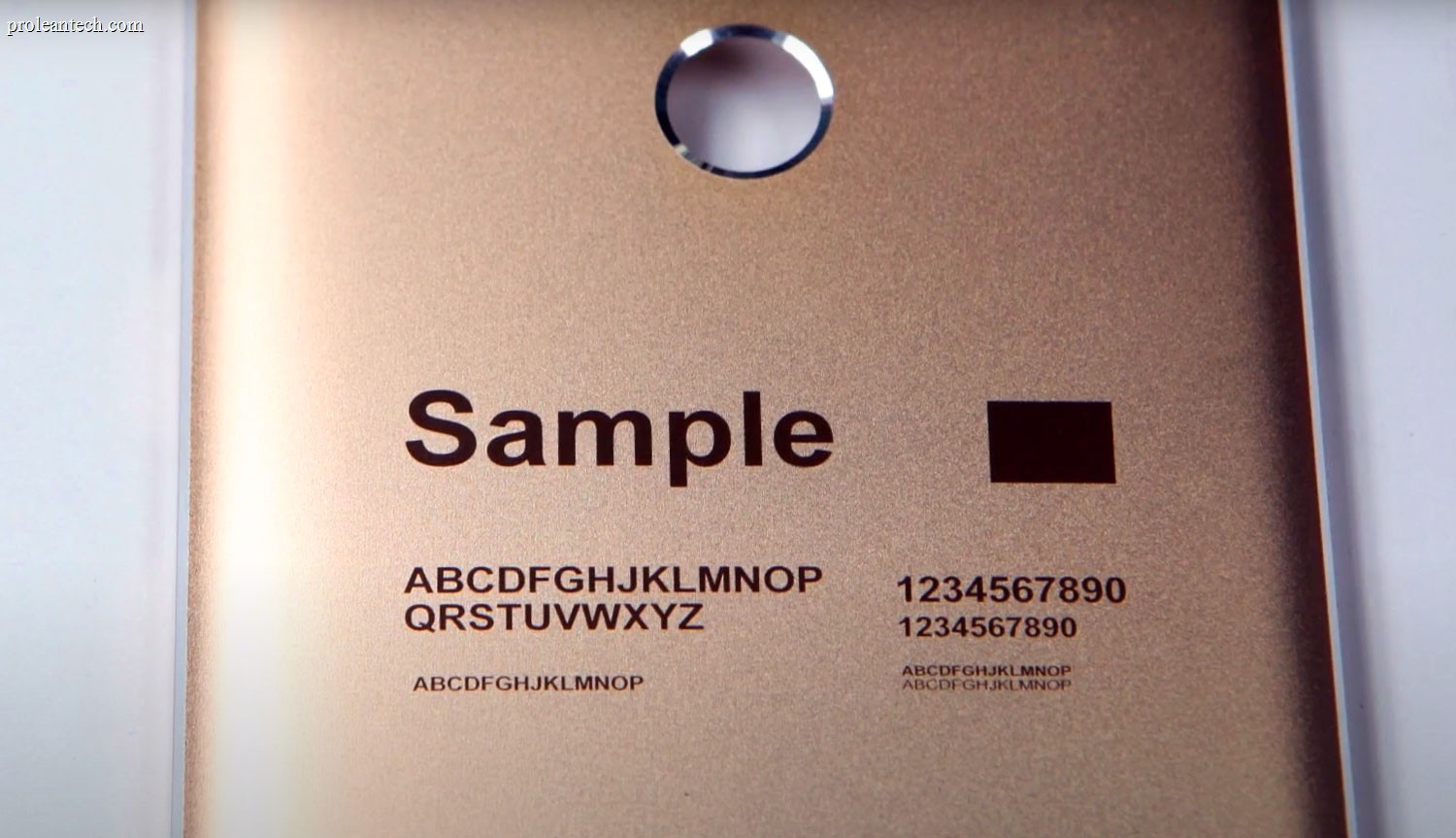
| Metal | Black or dark marks |
| Wood | Darker |
| Acrylic | Frosty white finish |
| Leather | Darker |
| Glass | Frosted appearance. |
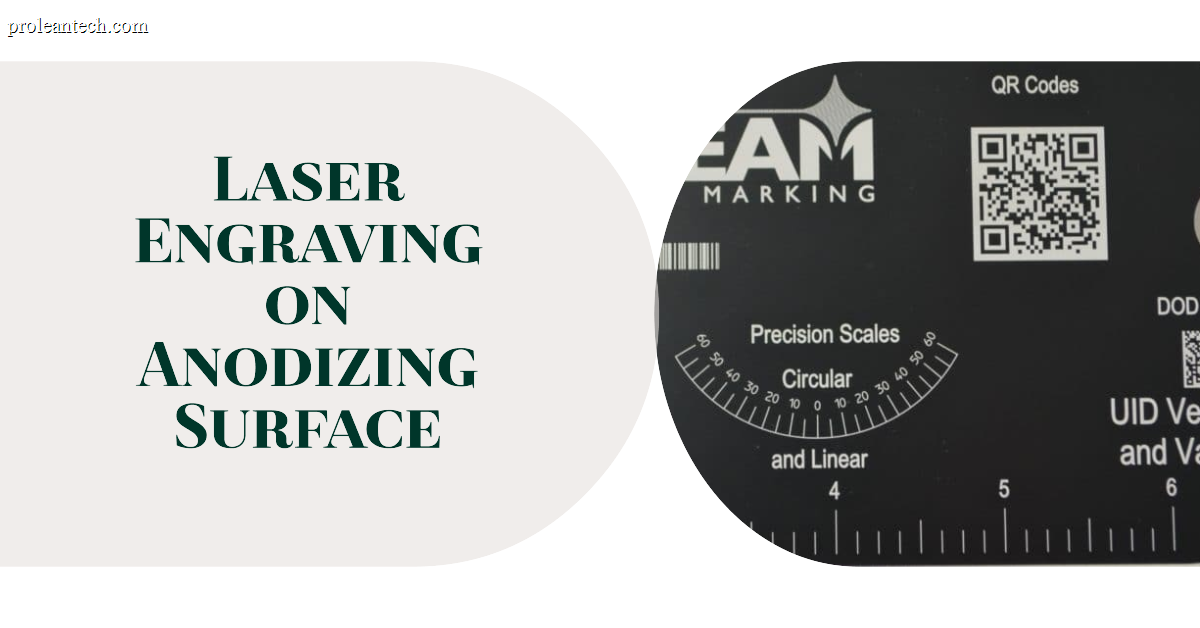
| Anodized Aluminum | Engraving removes the anodized layer, revealing the metal color beneath |
Laser Engraving Service
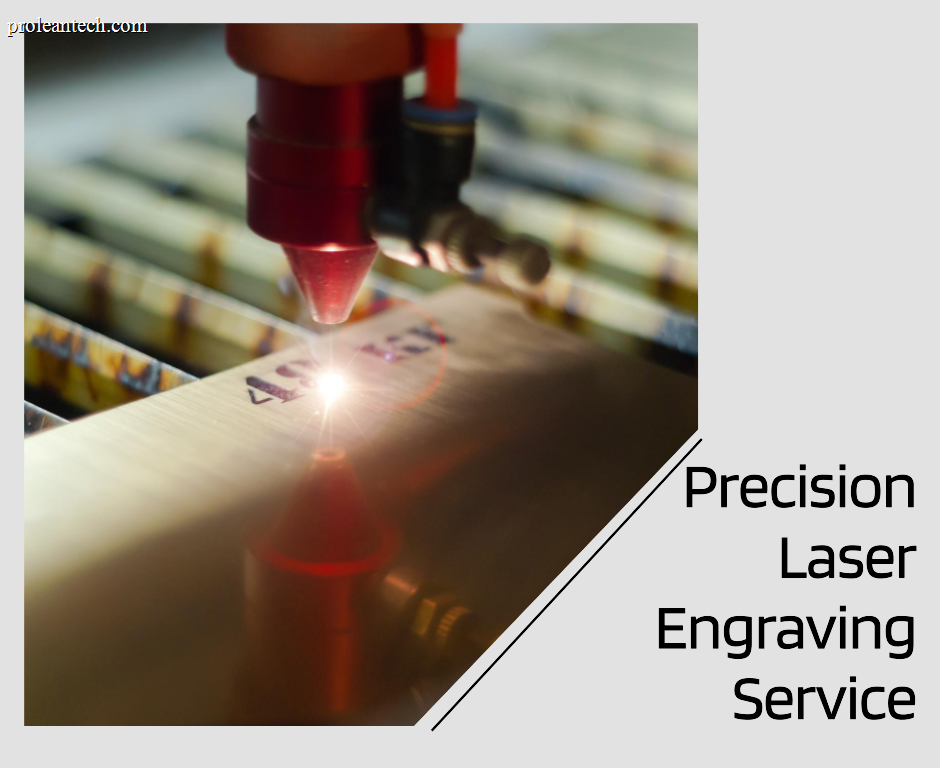
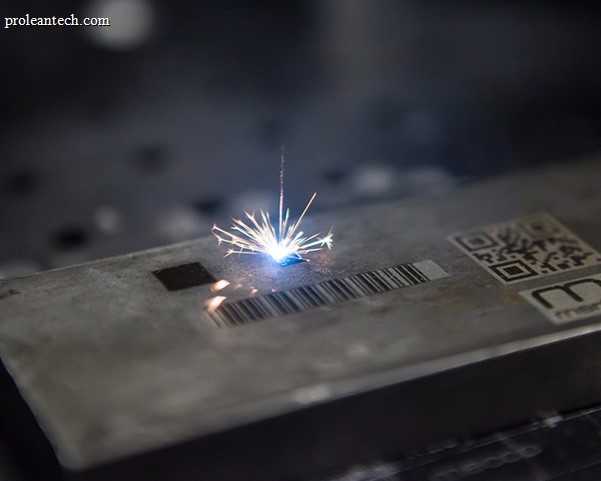
Laser engraving is a subtractive manufacturing method that uses a laser beam to change the surface of an object. This process can produce highly detailed graphics, texts, and patterns on almost any material.
- A computer-controlled laser emits a focused beam of high-intensity light, which is directed at the material being engraved.
- The material’s surface is vaporized by the laser’s heat, resulting in an indentation. This produces a permanent mark, which can be a depth-engraved groove or a surface mark.
Try Prolean Now!
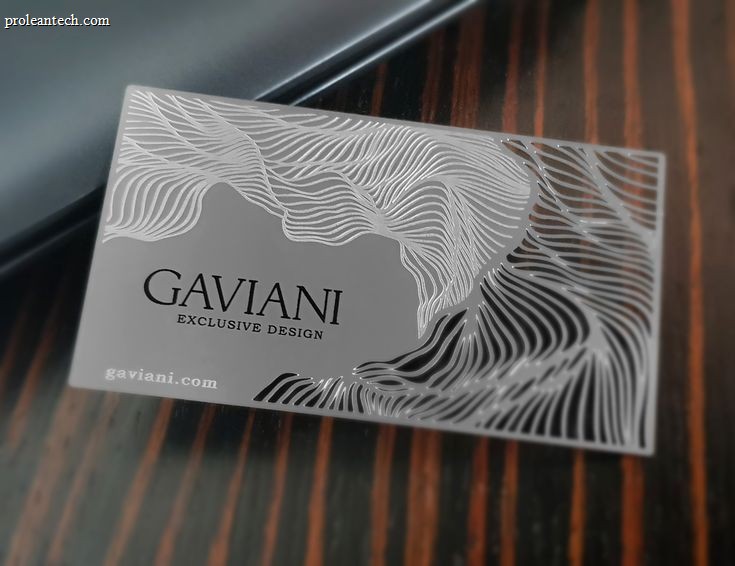
Example of Laser Engraving Parts
Uses and Benefits
Here are the Uses of Laser Engraving process:
- Personalization: Items like jewelry, leather goods, and gifts can be personalized with names, dates, or custom designs.
- Industrial Marking: Used for marking parts with serial numbers, barcodes, or QR codes for tracking and identification.
- Signage: Producing detailed and long-lasting signs, plaques, and awards.
- Art and Design: Artists use laser engraving to create intricate patterns and designs on various mediums.
- Prototyping and Manufacturing: Used in the production of components or to mark finished products.
Get your Laser Engraving Part Today
All uploads are secure and confidential.
Latest Blog
Check out our latest blogs, we share industry trends, design tips, and experience earned from manufacturing.
- Electroplating Vs Electro-less plating
- What are the types of surface finishes for CNC machining?
- Common Materials for CNC Machining
- Tolerances in CNC Machining
- Sheet Metal Fabrication: Enclosures for Electronics
- Best Cutting Tools for CNC Machining– Choose the Right
- An Ultimate Guide to CNC Copper Machining
- Production Cycle Time in CNC Machining
- Electroplating Vs Electro-less plating
- What are the types of surface finishes for CNC machining?
- Common Materials for CNC Machining
- Tolerances in CNC Machining
- Sheet Metal Fabrication: Enclosures for Electronics
- Best Cutting Tools for CNC Machining– Choose the Right
- An Ultimate Guide to CNC Copper Machining
- Production Cycle Time in CNC Machining

Die Cast Industry: Status in 2026 and Trends by Segments
Die-casting is a process of creating metal components by forcing molten material into a reusable mold (called a die), where it fills the cavity and takes the shape upon solidification.
Read more →
Electric Discharge Machining Applications Across Industries
Electrical Discharge Machining (EDM) is a non-conventional subtractive manufacturing process, in which a tool (electrode/wire) removes the material from conductive workpieces using controlled electric sparks inside a dielectric medium
Read more →
PEI CNC Machining: Material Grades, Processes, and Considerations
PEI CNC machining converts raw PEI rod, bar, or plate into functional components using cutting, milling, turning, drilling, and other suitable operations using the CAD model & CNC program.
Read more →LASER-ENGRAVING DATA
Make marking content, location and contrast a controlled requirement
Laser engraving should specify the actual text or symbol content, font/size, location from datums, depth or contrast requirement where applicable, readable orientation, protected surfaces and any traceability or serialization rule.
Engineering data to lock before release
| Mark content | Text, symbol, serial range or machine-readable code |
|---|---|
| Location | Datum-based position and orientation on the part |
| Appearance | Contrast, depth/width if functional and cosmetic boundary |
| Verification | Legibility, scan test or traceability record |
Marking data should be revision-controlled; an uncontrolled serial or logo artwork file can create traceability errors.
