
SURFACE FINISHING
Laser Cladding Service
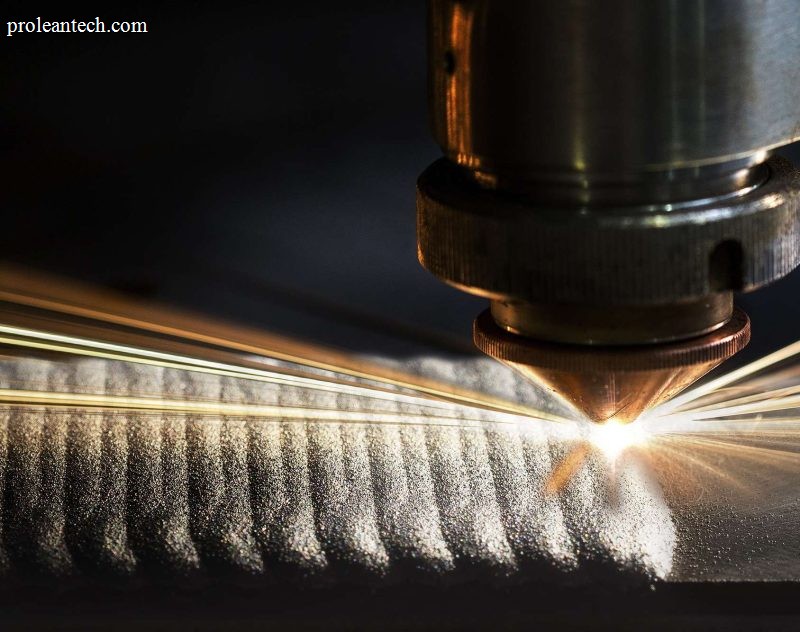
Laser cladding, or laser metal deposition, is a surface enhancement technology that uses a laser to fuse material onto a substrate. This creates a robust coating that improves the longevity and performance of industrial parts.
- Improved Durability: Provides resistance against wear, corrosion, and high temperatures.
- Precision Application: Targets specific coating areas suitable for complex shapes.
- Low Heat Impact: Reduces thermal distortion, preserving the base material’s properties.
- Efficient Material Use: Minimizes waste by using materials precisely.
- Fast Process: Offers quicker coating times than traditional methods, enhancing productivity.
All uploads are secure and confidential.
Precision Parts. Endless Possibilities.
Explore our custom manufacturing capabilities through real product examples.
















Introduction
Laser cladding involves coating material on the substrate surface by creating a molten pool of powder or wire of coating materials. The cooling process is speedy, so the coated parts become tough and do not affect the properties of substrate parts.
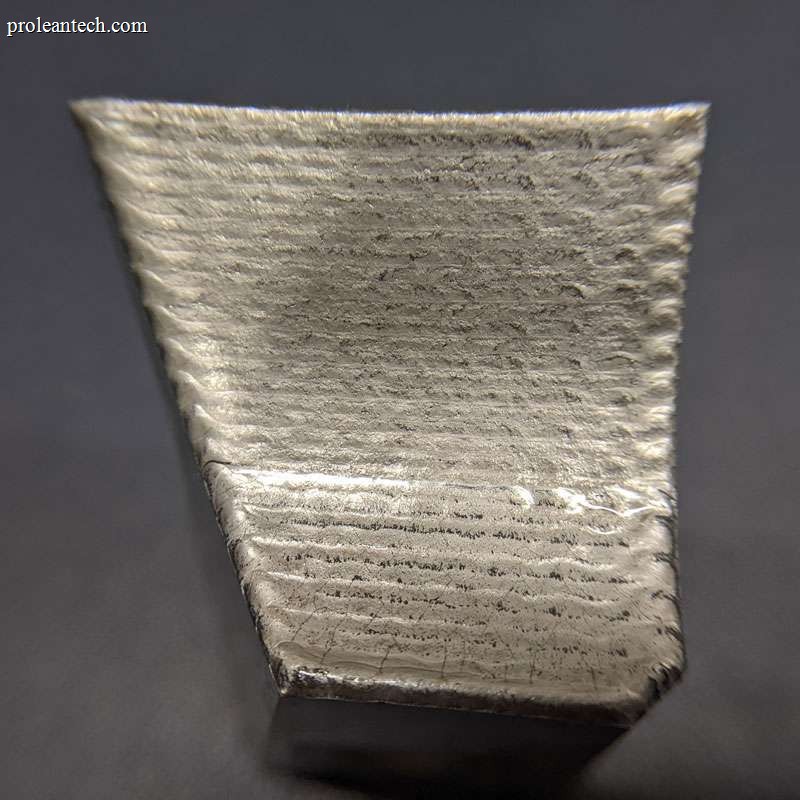
It offers fine-grained, pore-free, and crack-free coatings for the workpiece with excellent corrosion, wear, and abrasion resistance. Laser cladding will also be beneficial in repairing small cracks, cavities, and other minor surface imperfections.
key properties
| Features | Info |
|---|---|
| Materials | Aluminum alloys, Steel, Copper alloys, Titanium alloys4,and more |
| Color | n/a |
| Texture | laser texture surfaces |
| Standards |
Latest Blog
Check out our latest blogs, we share industry trends, design tips, and experience earned from manufacturing.
- Electroplating Vs Electro-less plating
- What are the types of surface finishes for CNC machining?
- Common Materials for CNC Machining
- Tolerances in CNC Machining
- Sheet Metal Fabrication: Enclosures for Electronics
- Best Cutting Tools for CNC Machining– Choose the Right
- An Ultimate Guide to CNC Copper Machining
- Production Cycle Time in CNC Machining
- Electroplating Vs Electro-less plating
- What are the types of surface finishes for CNC machining?
- Common Materials for CNC Machining
- Tolerances in CNC Machining
- Sheet Metal Fabrication: Enclosures for Electronics
- Best Cutting Tools for CNC Machining– Choose the Right
- An Ultimate Guide to CNC Copper Machining
- Production Cycle Time in CNC Machining

Die Cast Industry: Status in 2026 and Trends by Segments
Die-casting is a process of creating metal components by forcing molten material into a reusable mold (called a die), where it fills the cavity and takes the shape upon solidification.
Read more →
Electric Discharge Machining Applications Across Industries
Electrical Discharge Machining (EDM) is a non-conventional subtractive manufacturing process, in which a tool (electrode/wire) removes the material from conductive workpieces using controlled electric sparks inside a dielectric medium
Read more →
PEI CNC Machining: Material Grades, Processes, and Considerations
PEI CNC machining converts raw PEI rod, bar, or plate into functional components using cutting, milling, turning, drilling, and other suitable operations using the CAD model & CNC program.
Read more →LASER-CLADDING REVIEW
Define deposited region, blend boundary and post-process geometry
Laser cladding should identify the base material, deposit material, region of application, minimum overlay or final-machining allowance, heat-sensitive interfaces and the inspection data needed for the restored surface.
Engineering data to lock before release
| Base/deposit pair | Substrate and cladding alloy/material designation |
|---|---|
| Coverage geometry | Deposited region, overlap and blend boundary |
| Final geometry | Machining allowance, profile and surface requirement |
| Verification | Bond/coverage, hardness or dimensional inspection plan |
The finished requirement is usually a post-cladding geometry; distinguish it from the as-deposited profile in the route definition.
