
Surface Finishing
Metallic Coating Service





All uploads are secure and confidential.
Precision Parts. Endless Possibilities.
Explore our custom manufacturing capabilities through real product examples.
















Metallic Coating Service
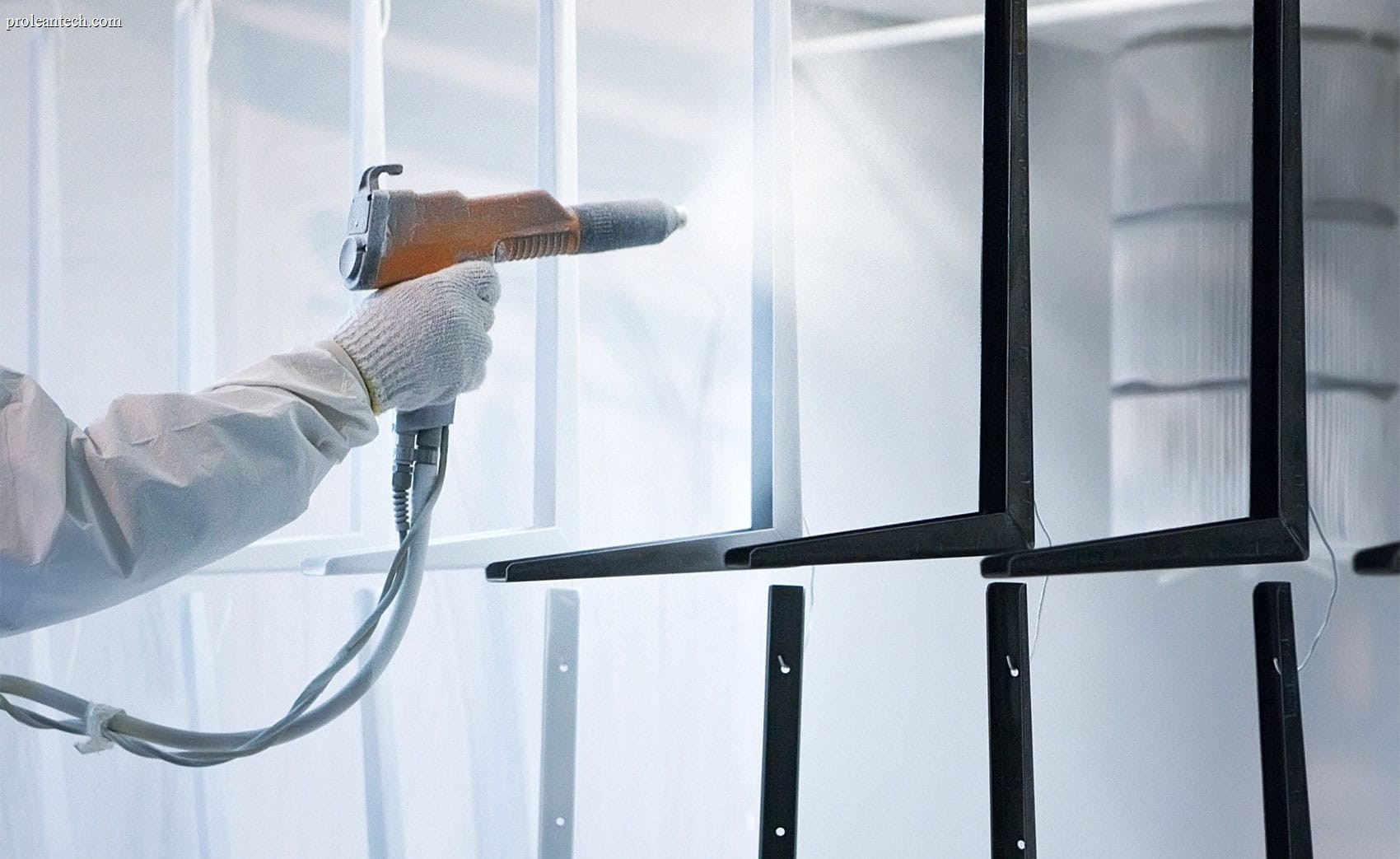
Metallic coatings are a variety of metal-based or alloy-based coatings applied through different processes over metal part surfaces. Some of the common methods are applying the coat using spraying, electrochemically, chemically, or mechanically.
Metallic coating for metals doesn’t require much preparation since metals are good conductors. For materials that are poor conductors of electricity, the surface needs to be prepared first. This can be done through electroless plating or other chemical preparation processes.
The metallic coating gives a metallic shine and glossy finish to any surface it is applied on. The finish is also corrosion, sunlight and oxidation-resistant.
How to Order Parts?
Get a free quote from a real engineer; once we receive your design, our engineer will review it and send you a quote as fast as one hour.

Get an Instant Quote
Upload your design file or email our engineering team directly. You'll get a firm quote in as fast as one hour, no account required.

Start Production
Once you confirm your order, production begins immediately. Track real-time status from cutting through final inspection via your order dashboard.

Receive Your Part
Every part passes quality control before it ships. We pack parts to prevent damage in transit and deliver directly to your address.
We generally evaluate production and provide quotations within one hour. If you need a more urgent quote immediately, please contact us through our official WhatsApp account.
| Specification | Detail |
| Part Material | Metals and plastic |
| Surface Preparation | Depending upon part material, standard surface finish or chemically prepared |
| Surface Finish | Shiny and Glossy finish with metallic look |
| Tolerances | Standard dimensional tolerances |
| Thickness | 100μm – 200μm (3937μin – 7874μin) |
| Color | Natural metal color, black or any other color with RAL code or Pantone number |
| Part Masking | Masking available as per requirement. Indicate masking areas in design |
| Cosmetic Finish | Cosmetic finish not available |
Latest Blog
Check out our latest blogs, we share industry trends, design tips, and experience earned from manufacturing.
- Electroplating Vs Electro-less plating
- What are the types of surface finishes for CNC machining?
- Common Materials for CNC Machining
- Tolerances in CNC Machining
- Sheet Metal Fabrication: Enclosures for Electronics
- Best Cutting Tools for CNC Machining– Choose the Right
- An Ultimate Guide to CNC Copper Machining
- Production Cycle Time in CNC Machining
- Electroplating Vs Electro-less plating
- What are the types of surface finishes for CNC machining?
- Common Materials for CNC Machining
- Tolerances in CNC Machining
- Sheet Metal Fabrication: Enclosures for Electronics
- Best Cutting Tools for CNC Machining– Choose the Right
- An Ultimate Guide to CNC Copper Machining
- Production Cycle Time in CNC Machining

Die Cast Industry: Status in 2026 and Trends by Segments
Die-casting is a process of creating metal components by forcing molten material into a reusable mold (called a die), where it fills the cavity and takes the shape upon solidification.
Read more →
Electric Discharge Machining Applications Across Industries
Electrical Discharge Machining (EDM) is a non-conventional subtractive manufacturing process, in which a tool (electrode/wire) removes the material from conductive workpieces using controlled electric sparks inside a dielectric medium
Read more →
PEI CNC Machining: Material Grades, Processes, and Considerations
PEI CNC machining converts raw PEI rod, bar, or plate into functional components using cutting, milling, turning, drilling, and other suitable operations using the CAD model & CNC program.
Read more →METALLIC-COATING SELECTION
Choose the coating system from the substrate and failure mode
Metallic coatings should be selected by the failure mode to be controlled: corrosion, wear, conductivity, solderability, appearance or dimensional build-up. Define the substrate, preparation, coating sequence, thickness, protected geometry and verification method.
Engineering data to lock before release
| Failure mode | Corrosion, wear, contact, solderability or appearance |
|---|---|
| System stack | Base material, underlayer, top layer and treatment |
| Dimensional data | Coating build-up at fits and threads |
| Verification | Thickness, adhesion, corrosion or electrical test |
Coating chemistry and thickness alone are not enough; the preparation and measurement plan also need to be controlled.
