
SURFACE FINISHING
Sanding
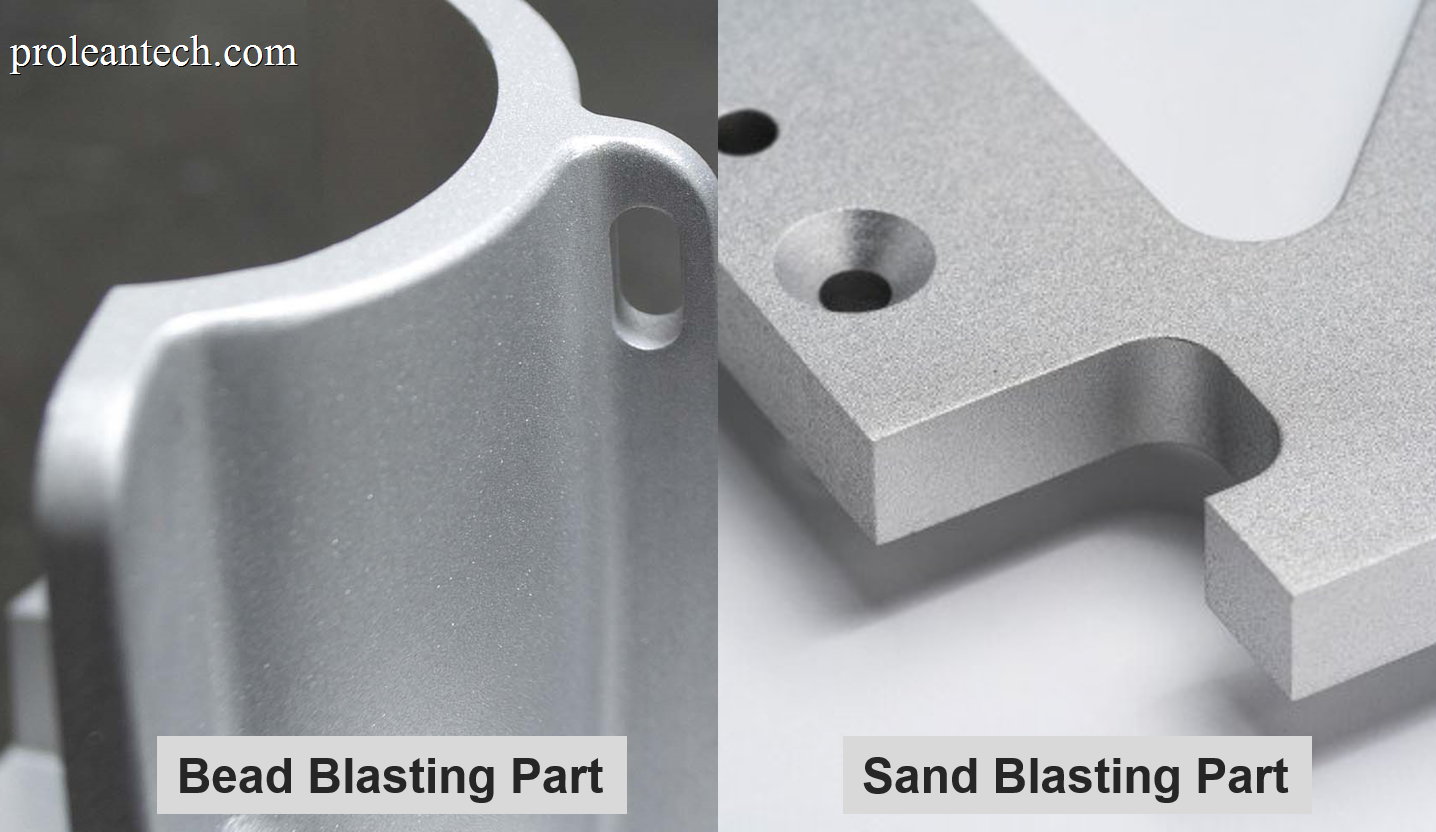
Sanding can produce a mild polish completely free of burrs and dust with a shiny, high gloss finish. However, it might be unable to create sharp corners and pockets.
Precision Parts. Endless Possibilities.
Explore our custom manufacturing capabilities through real product examples.
















Introduction
Sanding is the process of rubbing abrasive particles on the surface of parts to create a random, non-linear texture.
Sand, lead beads, and other materials are examples of standard abrasive media. These materials are attached to a plate or paper (referred to as sandpaper) for rubbing. The capacity of these abrasive particles is measured in grit number. A higher grit number means more fine particles and will produce a finer surface finish.
Sanding can produce a mild polish completely free of burrs and dust with a shiny, high gloss finish. However, it might be unable to create sharp corners and pockets.
Latest Blog
Check out our latest blogs, we share industry trends, design tips, and experience earned from manufacturing.
- Electroplating Vs Electro-less plating
- What are the types of surface finishes for CNC machining?
- Common Materials for CNC Machining
- Tolerances in CNC Machining
- Sheet Metal Fabrication: Enclosures for Electronics
- Best Cutting Tools for CNC Machining– Choose the Right
- An Ultimate Guide to CNC Copper Machining
- Production Cycle Time in CNC Machining
- Electroplating Vs Electro-less plating
- What are the types of surface finishes for CNC machining?
- Common Materials for CNC Machining
- Tolerances in CNC Machining
- Sheet Metal Fabrication: Enclosures for Electronics
- Best Cutting Tools for CNC Machining– Choose the Right
- An Ultimate Guide to CNC Copper Machining
- Production Cycle Time in CNC Machining

Die Cast Industry: Status in 2026 and Trends by Segments
Die-casting is a process of creating metal components by forcing molten material into a reusable mold (called a die), where it fills the cavity and takes the shape upon solidification.
Read more →
Electric Discharge Machining Applications Across Industries
Electrical Discharge Machining (EDM) is a non-conventional subtractive manufacturing process, in which a tool (electrode/wire) removes the material from conductive workpieces using controlled electric sparks inside a dielectric medium
Read more →
PEI CNC Machining: Material Grades, Processes, and Considerations
PEI CNC machining converts raw PEI rod, bar, or plate into functional components using cutting, milling, turning, drilling, and other suitable operations using the CAD model & CNC program.
Read more →SANDED FINISH DATA
Specify abrasive progression, direction and endpoint condition
Sanding requirements should define the starting surface, visible areas, abrasive endpoint or texture target, directionality, edge treatment and any subsequent coating or polishing sequence. These details make the finish repeatable across parts and batches.
Engineering data to lock before release
| Starting surface | Machined, cast, formed or prior-coat condition |
|---|---|
| Endpoint | Abrasive/texture target or approved visual sample |
| Directionality | Required grain direction or non-directional result |
| Sequence | Sanding before polish, coating, marking or assembly |
When a cosmetic result is critical, pair the texture requirement with a physical or photographed comparator under defined lighting.
