
SURFACE FINISHING
Electroplating
After plating, the substrate material might change some physical and chemical properties based on the type of plating material and thickness.
Precision Parts. Endless Possibilities.
Explore our custom manufacturing capabilities through real product examples.
















Introduction
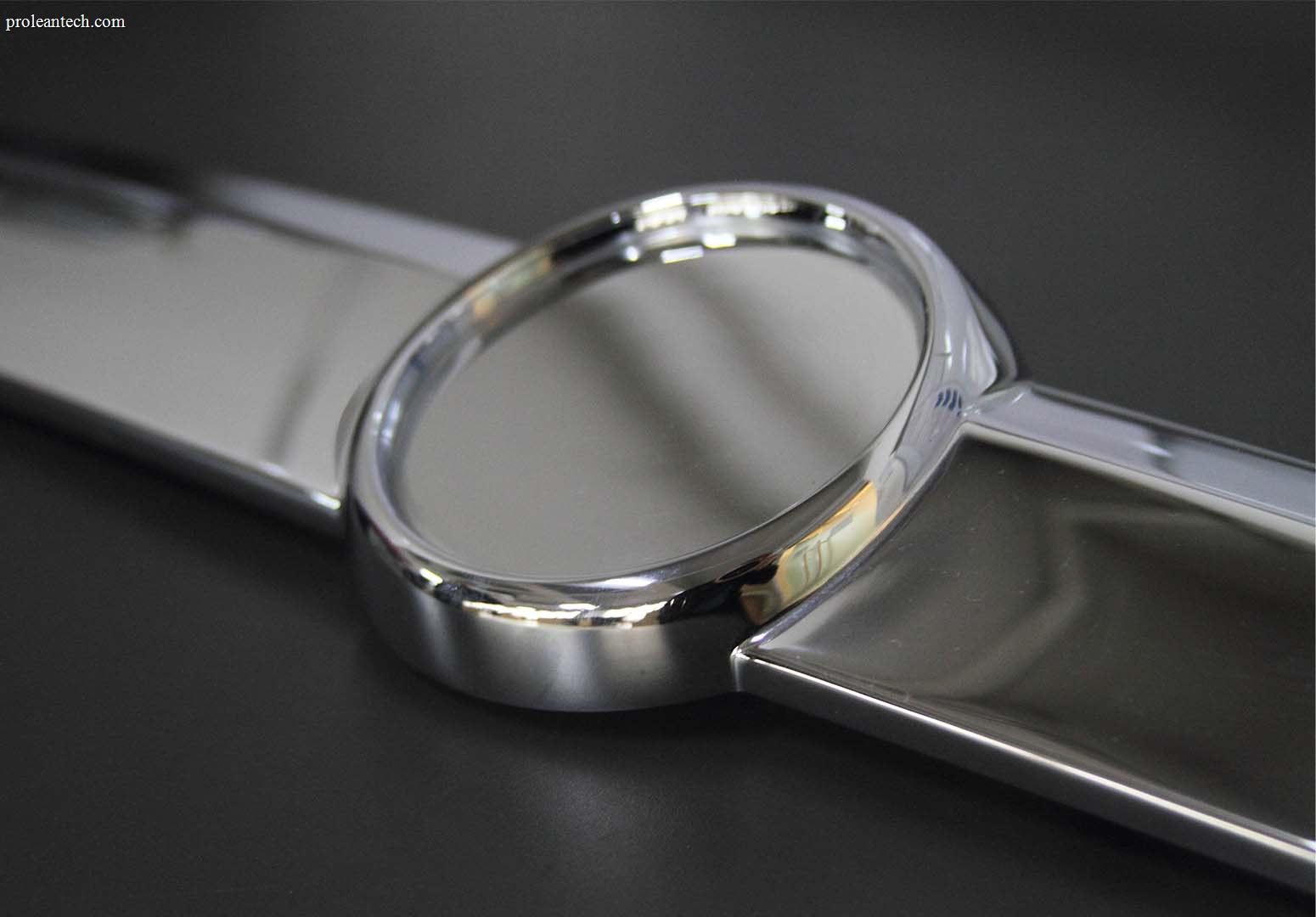
Electroplating is the establishing of metal layers to the parts by electrolysis. The thin layer of metal coating makes the parts excellent resistive to corrosion, wear, and abrasion.
Aluminum oxide, chromium, and other material are used for plating. After plating, the substrate material might change some physical and chemical properties based on the type of plating material and thickness.
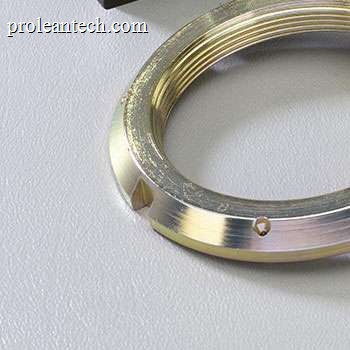
It is appropriate for various parts made of Steel, aluminum, and stainless Steel in the hardware, instrument, aerospace, and other industries.
At a glance
| Features | Info |
|---|---|
| Materials | Aluminum, Steel, Stainless Steel |
| Color | n/a |
| Texture | Smooth, glossy finish |
| Standards | n/a |
Latest Blog
Check out our latest blogs, we share industry trends, design tips, and experience earned from manufacturing.
- Electroplating Vs Electro-less plating
- What are the types of surface finishes for CNC machining?
- Common Materials for CNC Machining
- Tolerances in CNC Machining
- Sheet Metal Fabrication: Enclosures for Electronics
- Best Cutting Tools for CNC Machining– Choose the Right
- An Ultimate Guide to CNC Copper Machining
- Production Cycle Time in CNC Machining
- Electroplating Vs Electro-less plating
- What are the types of surface finishes for CNC machining?
- Common Materials for CNC Machining
- Tolerances in CNC Machining
- Sheet Metal Fabrication: Enclosures for Electronics
- Best Cutting Tools for CNC Machining– Choose the Right
- An Ultimate Guide to CNC Copper Machining
- Production Cycle Time in CNC Machining

Die Cast Industry: Status in 2026 and Trends by Segments
Die-casting is a process of creating metal components by forcing molten material into a reusable mold (called a die), where it fills the cavity and takes the shape upon solidification.
Read more →
Electric Discharge Machining Applications Across Industries
Electrical Discharge Machining (EDM) is a non-conventional subtractive manufacturing process, in which a tool (electrode/wire) removes the material from conductive workpieces using controlled electric sparks inside a dielectric medium
Read more →
PEI CNC Machining: Material Grades, Processes, and Considerations
PEI CNC machining converts raw PEI rod, bar, or plate into functional components using cutting, milling, turning, drilling, and other suitable operations using the CAD model & CNC program.
Read more →ELECTROPLATING REVIEW
Connect plating type to substrate, geometry and acceptance data
Electroplating needs more than a metal name. Define the base material, coating system, thickness requirement, post-treatment, rack/contact allowances, protected threads or fits, and the method used to measure the finished coating.
Engineering data to lock before release
| Coating system | Plated metal, supplementary treatment and intended function |
|---|---|
| Geometry impact | Threads, bores, contact points and masked faces |
| Thickness data | Target/range, location and measurement method |
| Acceptance evidence | Appearance, adhesion, corrosion or electrical test |
Coating thickness is a dimensional input for close fits; identify the surfaces on which build-up is functionally relevant.
