
SURFACE FINISHING
As the machined or deburring
With the aid of deburring tools, these “burr” bits are often eliminated, and sharp edges are chamfered.
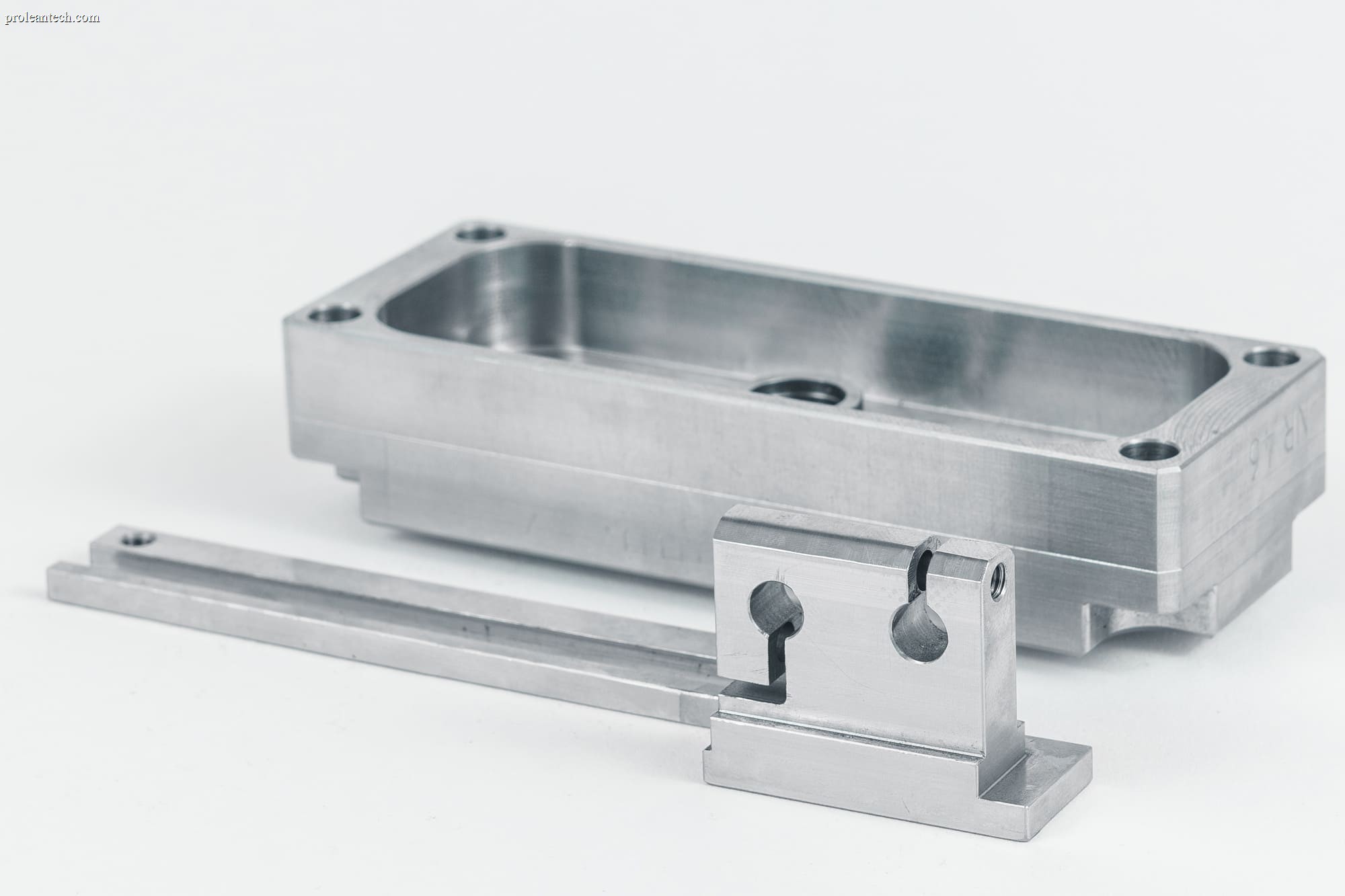
Precision Parts. Endless Possibilities.
Explore our custom manufacturing capabilities through real product examples.
















Introduction
After CNC manufacturing on a plastic or metal workpiece, small material chips are attached to the machining position, affecting functionality and aesthetic appeal. With the aid of deburring tools, these “burr” bits are often eliminated, and sharp edges are chamfered. Deburring tools remove any related undesirable materials and produce a smooth surface without compromising dimensional stability. Deburring can maintain the surface roughness of 3.2 μm easily.
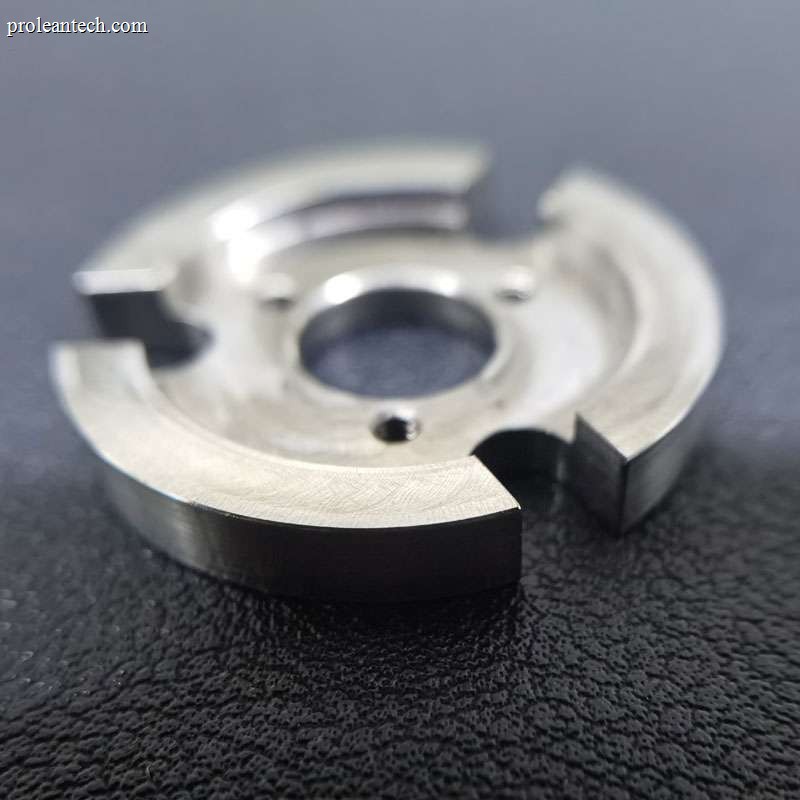
Although a part’s functioning is unaffected, a surface finish that has been machined or deburred may have visible lines left over from the deburring process.
key properties
| Features | Info |
|---|---|
| Materials | Metals, Plastics |
| Color | n/a |
| Texture |
Latest Blog
Check out our latest blogs, we share industry trends, design tips, and experience earned from manufacturing.
- Electroplating Vs Electro-less plating
- What are the types of surface finishes for CNC machining?
- Common Materials for CNC Machining
- Tolerances in CNC Machining
- Sheet Metal Fabrication: Enclosures for Electronics
- Best Cutting Tools for CNC Machining– Choose the Right
- An Ultimate Guide to CNC Copper Machining
- Production Cycle Time in CNC Machining
- Electroplating Vs Electro-less plating
- What are the types of surface finishes for CNC machining?
- Common Materials for CNC Machining
- Tolerances in CNC Machining
- Sheet Metal Fabrication: Enclosures for Electronics
- Best Cutting Tools for CNC Machining– Choose the Right
- An Ultimate Guide to CNC Copper Machining
- Production Cycle Time in CNC Machining

Die Cast Industry: Status in 2026 and Trends by Segments
Die-casting is a process of creating metal components by forcing molten material into a reusable mold (called a die), where it fills the cavity and takes the shape upon solidification.
Read more →
Electric Discharge Machining Applications Across Industries
Electrical Discharge Machining (EDM) is a non-conventional subtractive manufacturing process, in which a tool (electrode/wire) removes the material from conductive workpieces using controlled electric sparks inside a dielectric medium
Read more →
PEI CNC Machining: Material Grades, Processes, and Considerations
PEI CNC machining converts raw PEI rod, bar, or plate into functional components using cutting, milling, turning, drilling, and other suitable operations using the CAD model & CNC program.
Read more →AS-MACHINED SURFACE CONTROL
Define edge condition and texture where the tool path becomes functional
An as-machined finish still needs a controlled definition when a surface seals, slides, locates or serves a cosmetic role. Specify the applicable faces, texture parameter, burr/edge-break requirement and any tool-mark direction that affects function.
Engineering data to lock before release
| Applicable faces | Functional, cosmetic and non-controlled surface zones |
|---|---|
| Texture data | Parameter, unit and measurement length/area |
| Edge condition | Deburr, radius/chamfer or sharp-edge exception |
| Inspection | Visual standard, tactile check or roughness measurement |
“Deburr” should be connected to an edge requirement when an uncontrolled break could change fit, sealing or safety.
