
SURFACE FINISHING
Brushing
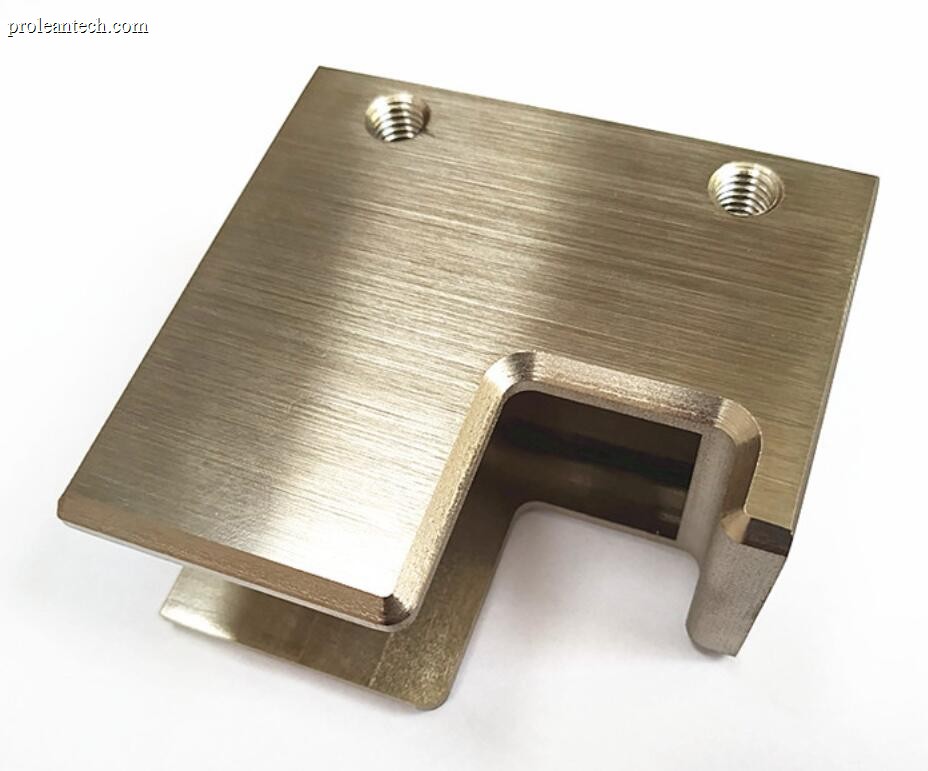
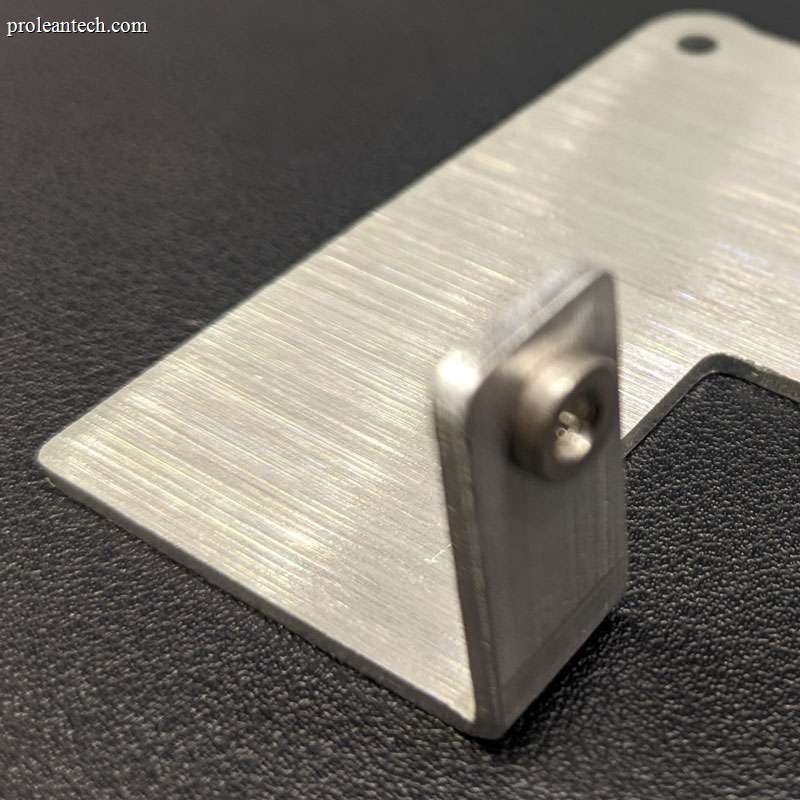
Applying abrasive brushes to the surface in a unidirectional manner is brushing. Although it produces a uniform surface, there are still some visible lines.
Precision Parts. Endless Possibilities.
Explore our custom manufacturing capabilities through real product examples.
















Introduction
Applying abrasive brushes to the surface in a unidirectional manner is brushing. Although it produces a uniform surface, there are still some visible lines. These lines created with an abrasive brush occasionally contribute to the aesthetic appeal.
It can be utilized in various applications built with aluminum and its alloys, even if it is not advised for highly corrosive parts.Ra 1.2 to Ra 47 μm is the range of surface roughness that can be achieved through brushing.
key properties
| Features | Info |
|---|---|
| Materials | ABS,Aluminum,Brass,Stainless Steel,Steel |
| Color | n/a |
| Texture | satin |
| Thickness | n/a |
Latest Blog
Check out our latest blogs, we share industry trends, design tips, and experience earned from manufacturing.
- Electroplating Vs Electro-less plating
- What are the types of surface finishes for CNC machining?
- Common Materials for CNC Machining
- Tolerances in CNC Machining
- Sheet Metal Fabrication: Enclosures for Electronics
- Best Cutting Tools for CNC Machining– Choose the Right
- An Ultimate Guide to CNC Copper Machining
- Production Cycle Time in CNC Machining
- Electroplating Vs Electro-less plating
- What are the types of surface finishes for CNC machining?
- Common Materials for CNC Machining
- Tolerances in CNC Machining
- Sheet Metal Fabrication: Enclosures for Electronics
- Best Cutting Tools for CNC Machining– Choose the Right
- An Ultimate Guide to CNC Copper Machining
- Production Cycle Time in CNC Machining

Die Cast Industry: Status in 2026 and Trends by Segments
Die-casting is a process of creating metal components by forcing molten material into a reusable mold (called a die), where it fills the cavity and takes the shape upon solidification.
Read more →
Electric Discharge Machining Applications Across Industries
Electrical Discharge Machining (EDM) is a non-conventional subtractive manufacturing process, in which a tool (electrode/wire) removes the material from conductive workpieces using controlled electric sparks inside a dielectric medium
Read more →
PEI CNC Machining: Material Grades, Processes, and Considerations
PEI CNC machining converts raw PEI rod, bar, or plate into functional components using cutting, milling, turning, drilling, and other suitable operations using the CAD model & CNC program.
Read more →BRUSHED FINISH DATA
Control grain direction, surface preparation and cosmetic boundaries
A brushed finish must state the visible faces and grain direction, because the same abrasive pattern can look different when it crosses assembled panels or changes orientation. Define the starting texture, brush direction, protected areas and inspection lighting or sample.
Engineering data to lock before release
| Surface scope | Visible faces and excluded/masked regions |
|---|---|
| Grain direction | Drawing arrow or assembly-relative direction |
| Preparation | Starting texture, weld/blend condition and scratch removal |
| Acceptance | Comparator, lighting/angle and allowable discontinuities |
Grain direction is an engineering/cosmetic datum; make it visible on the drawing rather than leaving it to shop convention.
